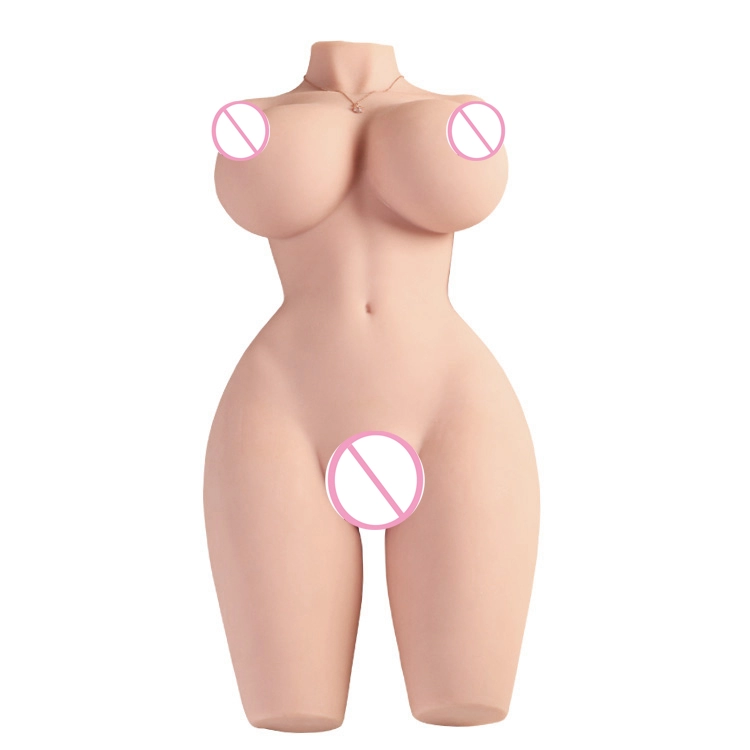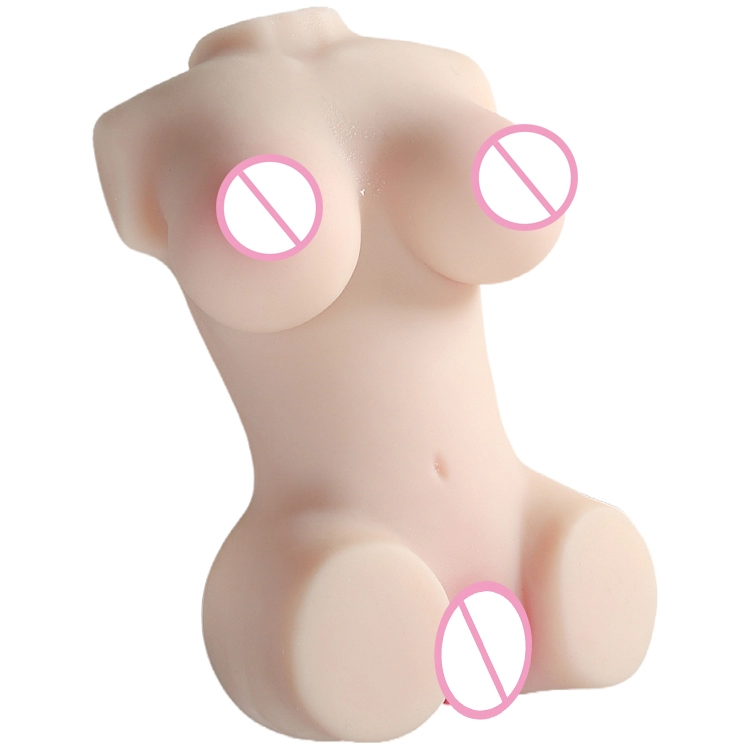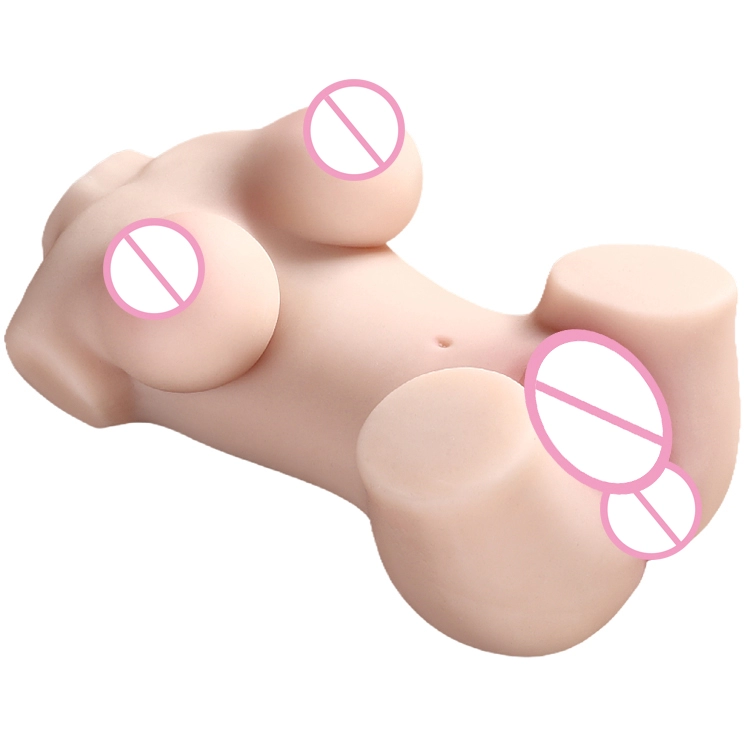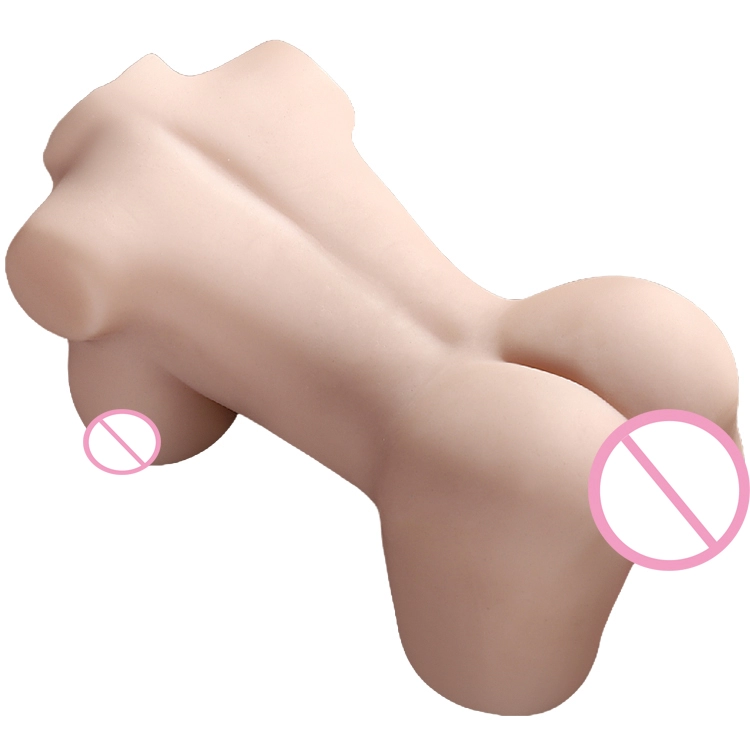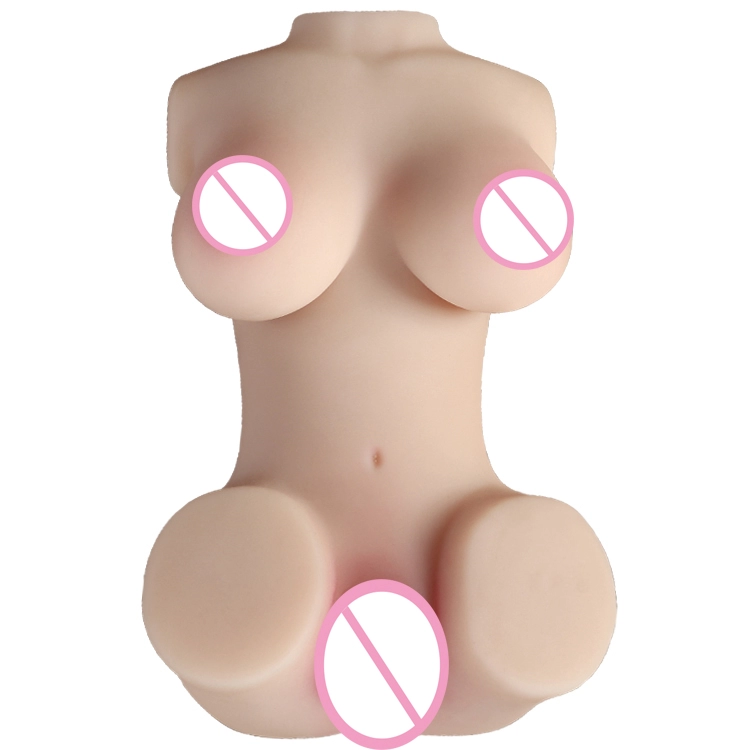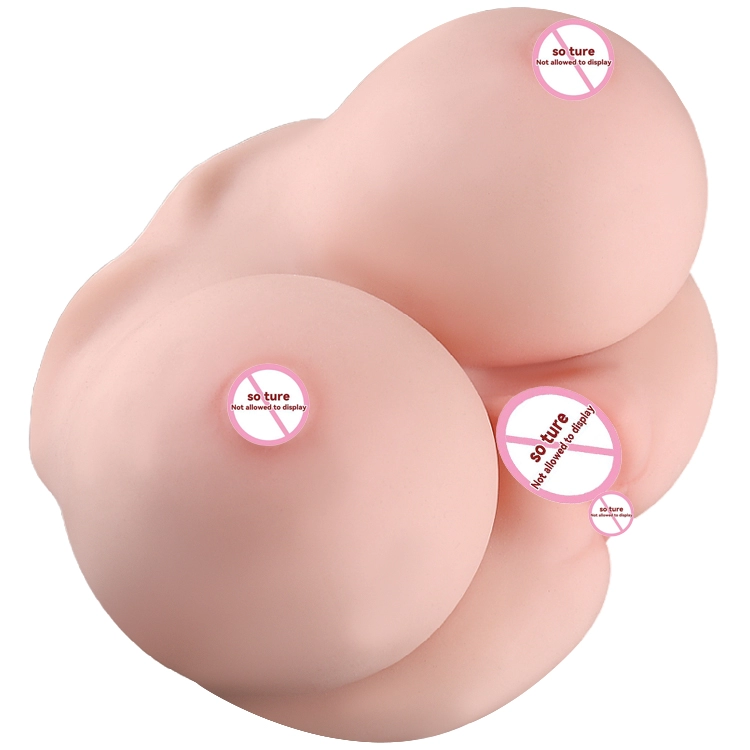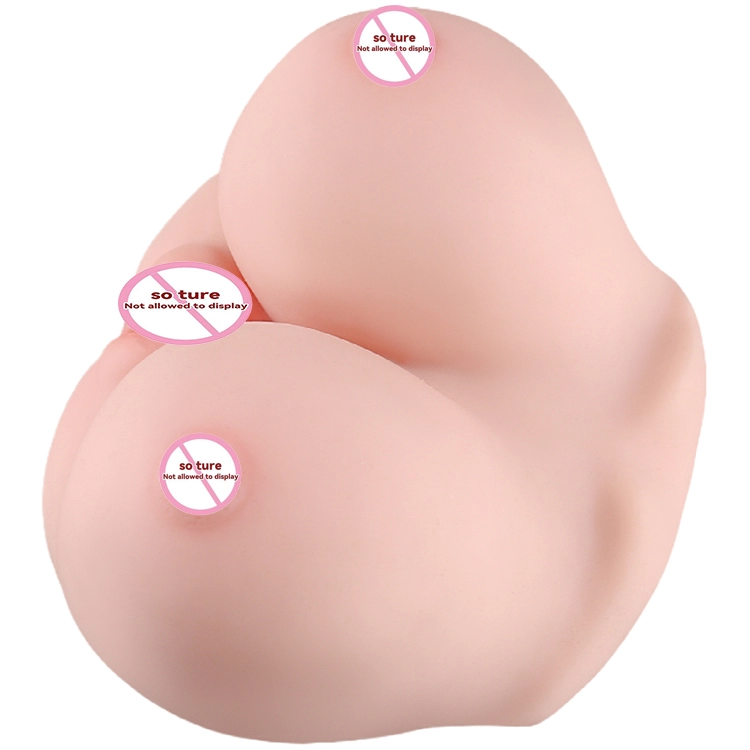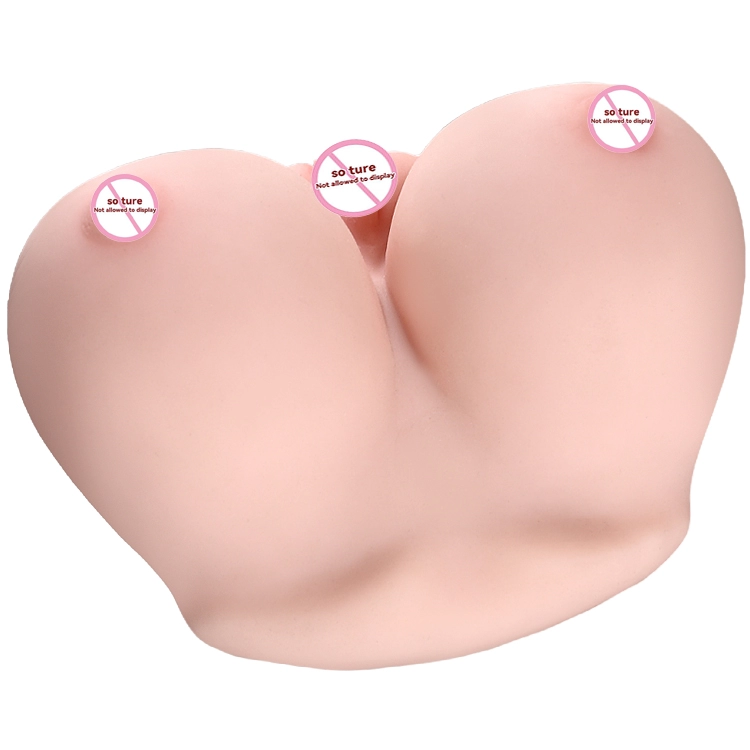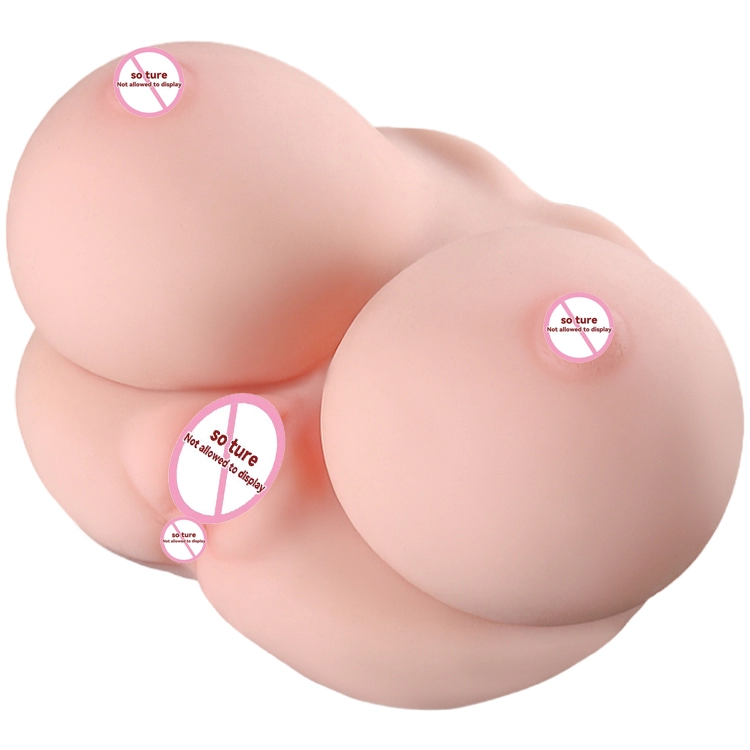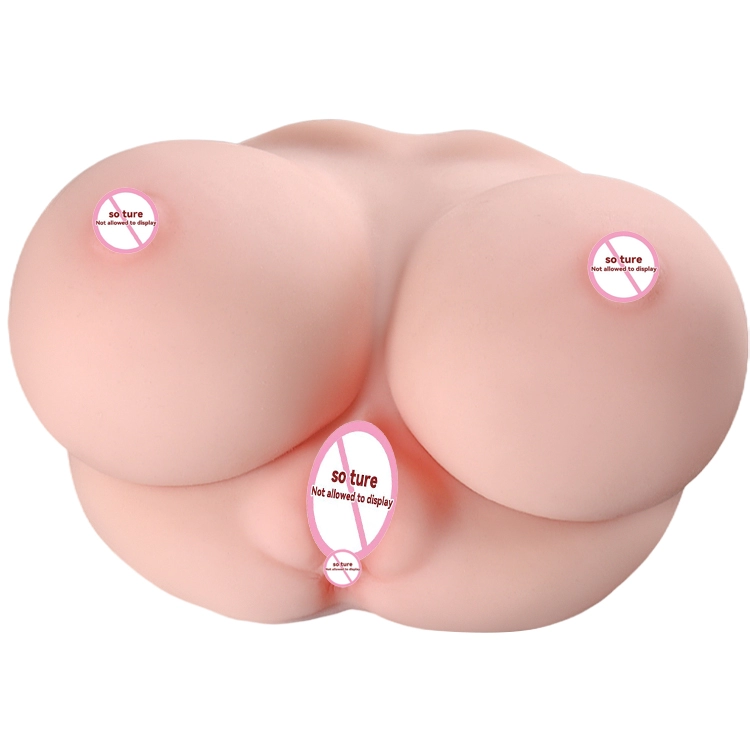

Quality control in adult toy manufacturing is not a final inspection step. It is a sequence of gates, and a defect that passes an early gate becomes exponentially more expensive to fix later. A cure fault caught at demolding costs one unit. The same fault caught after packaging and export costs a container, a customer relationship and a marketplace account.
This is the seven-point inspection sequence we run on silicone adult toy production, and the checks a buyer can repeat independently on incoming stock.
Why QC Determines Brand Reputation
Adult products are body-contact goods, so defects are not simply cosmetic — they are hygiene and safety issues. Surface porosity, residual cure byproducts, or a weight figure that does not match the listing all reach the customer directly, and they are usually surfaced publicly in reviews rather than through private complaint channels.
For a private-label brand, the factory's QC regime becomes the brand's quality record. That is why buyers should inspect the process, not just the sample.
The 7 Quality Checkpoints
- Raw material verification. Confirm the incoming silicone base grade and cure system against the specification sheet, and retain a material safety data sheet (MSDS) reference for each batch.
- Cure completeness. Test for tackiness and residual odor after demolding. Incomplete platinum cure leaves a sticky surface and a chemical smell — both are rejection criteria.
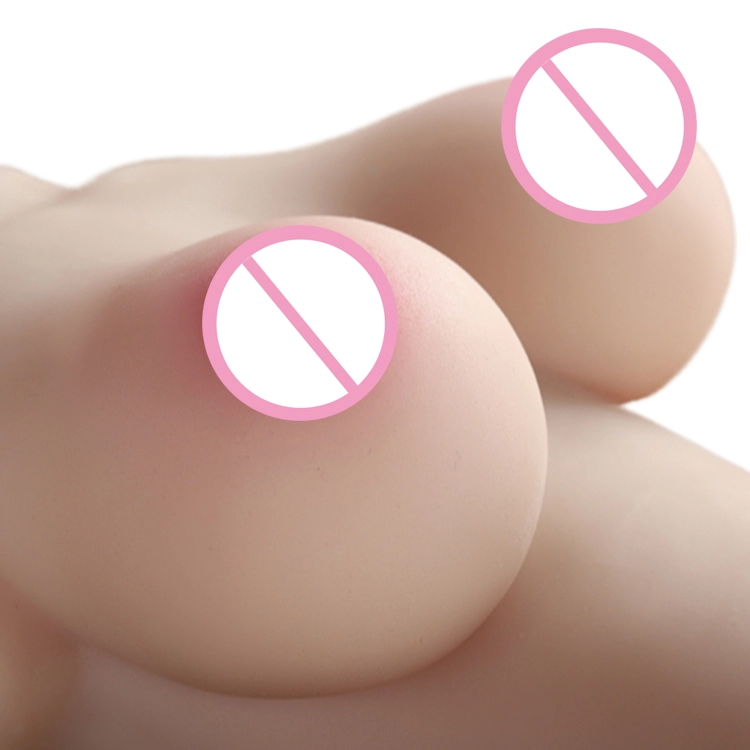
- Surface integrity. Inspect under 5000K lighting for porosity, air bubbles, mold lines and color inconsistency. Non-porous surface is the core hygiene claim, so any visible pore fails.
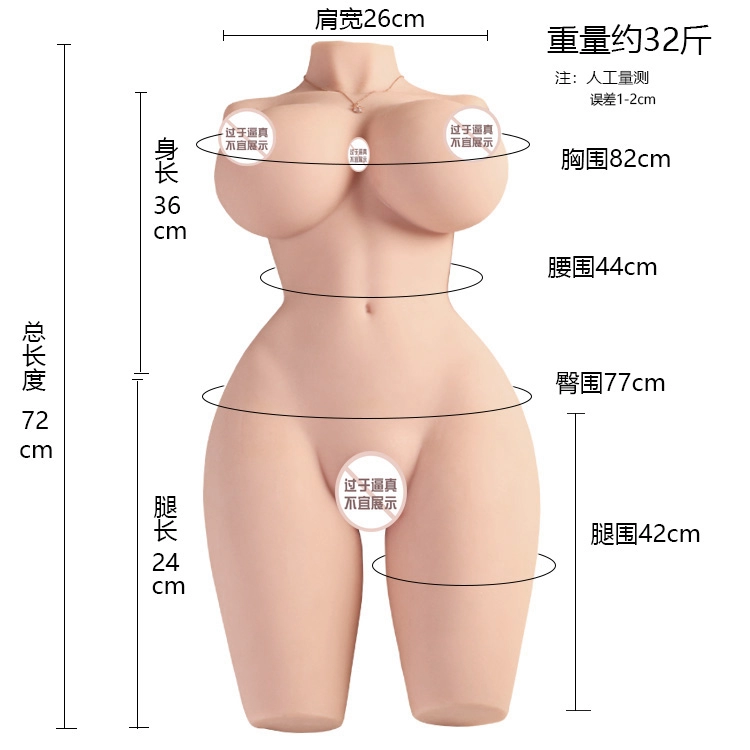
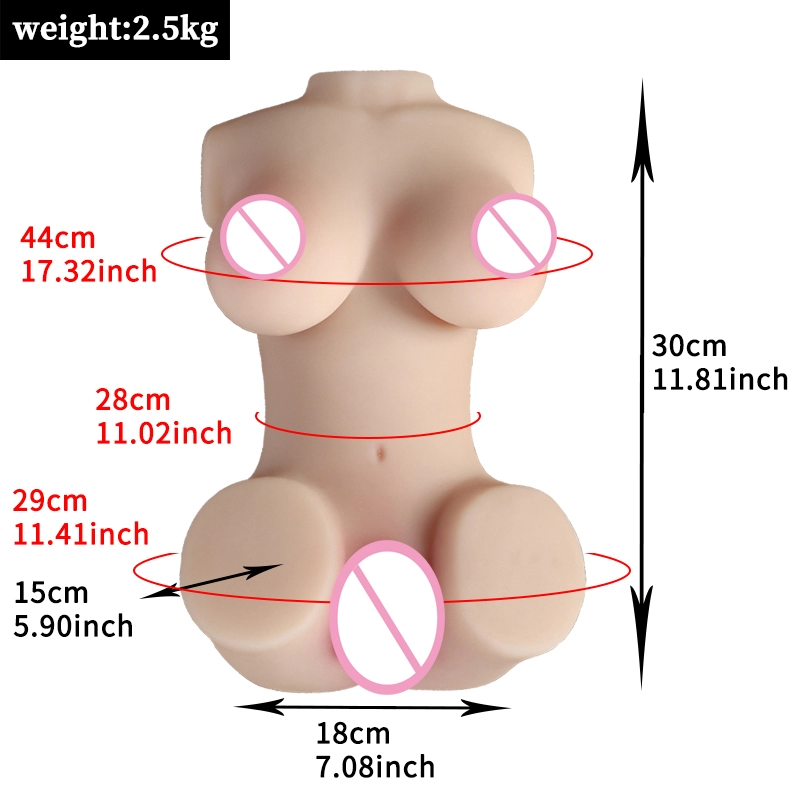
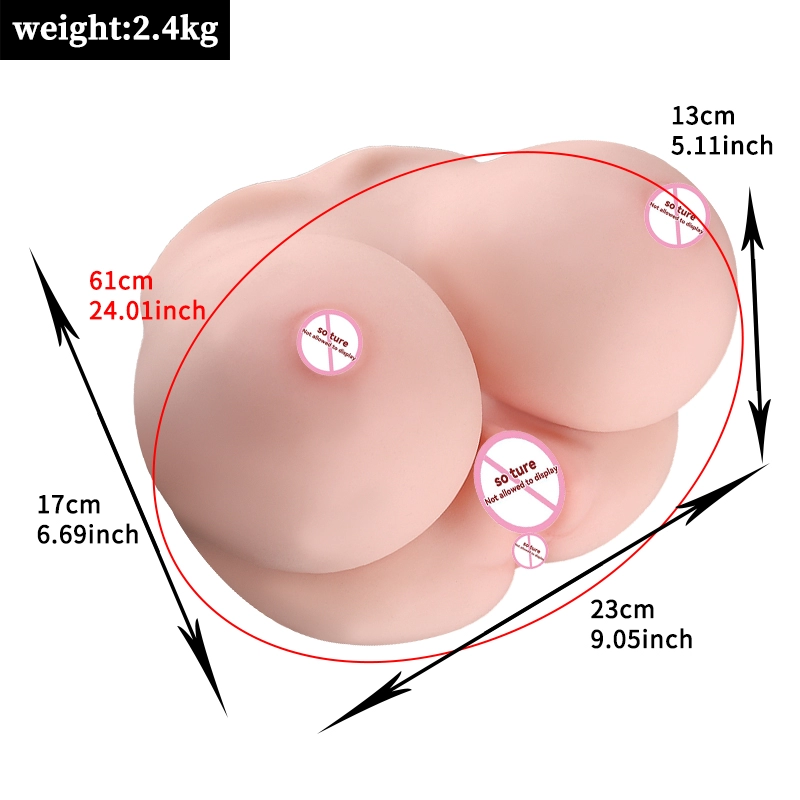
- Dimensional check. Measure total length, insertable length and diameter against the approved specification, using a flexible tape on curved models.
- Weight tolerance. Weigh the finished unit without packaging and log it against the nominal figure and stated tolerance.
- Assembly and hardware. Verify suction-cup adhesion, insert integrity, and any embedded components such as vibration units or internal cores.
- Final hygiene and packaging. Confirm cleaning, individual bagging and discreet outer packaging before carton sealing.
Testing Standards and Certifications
| Standard | Market | Scope |
|---|---|---|
| FDA 21 CFR 177.2600 | United States | Rubber articles intended for repeated food-contact use; applied as a body-contact reference |
| CE marking | European Union | Product conformity and documentation requirements |
| REACH | European Union | Restriction of hazardous substances in articles |
| RoHS | EU / global | Restricted substances in electronic components |
Certification scope must match the product. A silicone torso needs material documentation; a rechargeable product with an embedded motor needs both material and electronics compliance. Buyers should request the report covering the specific model and batch, not a generic factory certificate.
Common Defects and How They Are Prevented
| Defect | Root Cause | Prevention |
|---|---|---|
| Sticky or tacky surface | Incomplete cure or wrong cure ratio | Batch ratio control and post-cure verification |
| Air bubbles / porosity | Entrapped air during pouring or vacuuming | Vacuum degassing and controlled pour rate |
| Color inconsistency | Pigment dispersion variation | Master-batch color mixing and per-batch color chip |
| Chemical odor | Condensation-cure system or plasticizer excess | Platinum-cure specification and odor screening |
| Weight drift | Pour volume variation | Per-unit weighing with logged tolerance |
| Suction cup detachment | Bonding process or base geometry | Bond-strength pull test on sample units |
Incoming Inspection for Buyers
Even with a documented factory process, buyers should run an incoming check on the first carton of every shipment:
- Weigh three units and compare against the specification.
- Perform the alcohol test on one unit — silicone is unaffected by 70% isopropyl alcohol.
- Smell a freshly opened bag; a strong chemical odor warrants a batch hold.
- Check one unit under bright lighting for porosity and mold lines.
- Retain the batch log and test report with the shipment record.
FAQ
How do you test whether silicone is fully cured?
Check surface tackiness and odor immediately after demolding. A fully platinum-cured surface is dry and odorless; residual tack or a chemical smell indicates incomplete cure and fails inspection.
What certifications should an adult toy supplier provide?
At minimum, material safety documentation plus the compliance report applicable to the target market — FDA-referenced material documentation for the US, and CE and REACH documentation for the EU. Electronic products also require RoHS coverage.
How much weight variation is acceptable between units?
Because silicone is poured rather than machined, a small variation between units is normal. The tolerance should be stated on the specification sheet and verified by weighing a sample from each batch.
Can buyers audit the factory process?
Yes. Buyers are encouraged to review the QC sequence and batch logs, either on-site or through documentation, before committing to volume production.
Next Step
If you are evaluating a new supplier or preparing a volume order, ask for the batch QC log alongside the sample. We provide material documentation, test reports and batch weight records with every production run. Contact our team to request the QC documentation pack.
About the author: Dongguan Shuohuo Trading Co., Ltd. is a silicone adult products manufacturer established in 2020, supplying medical-grade silicone toys, strict QC and discreet packaging to global wholesale and OEM buyers.