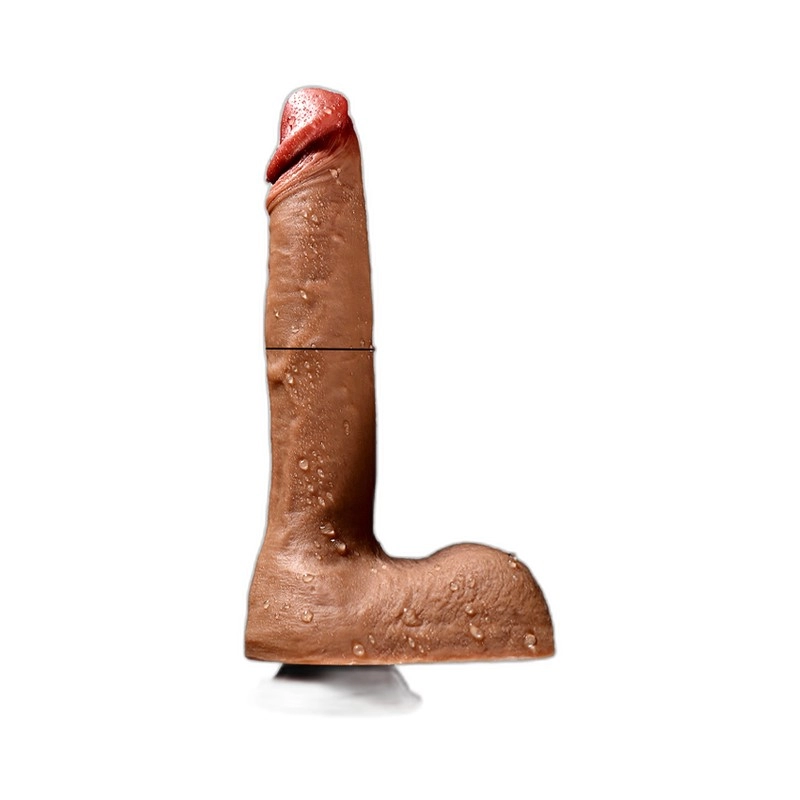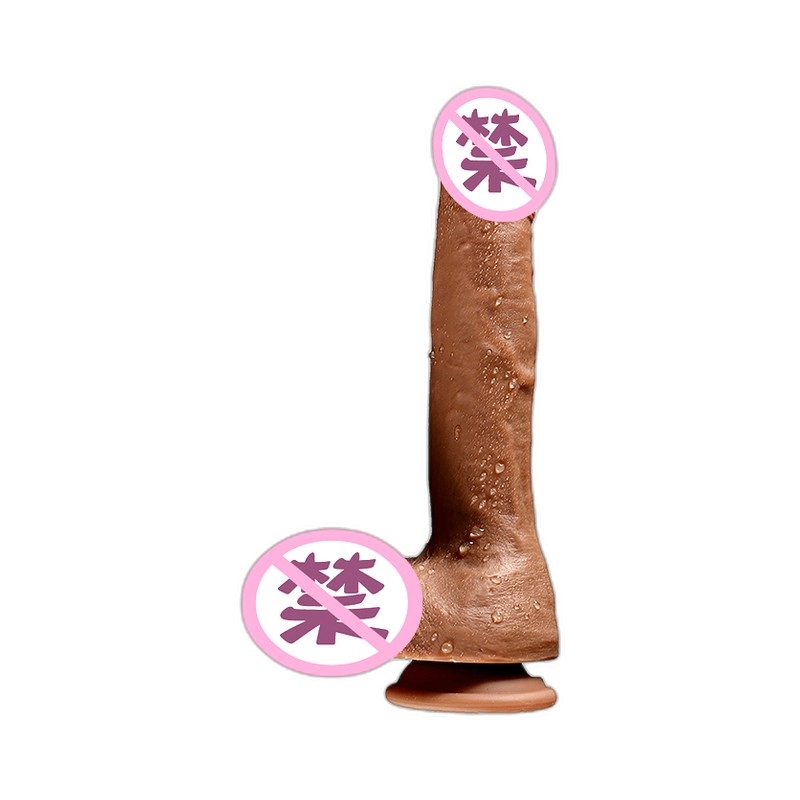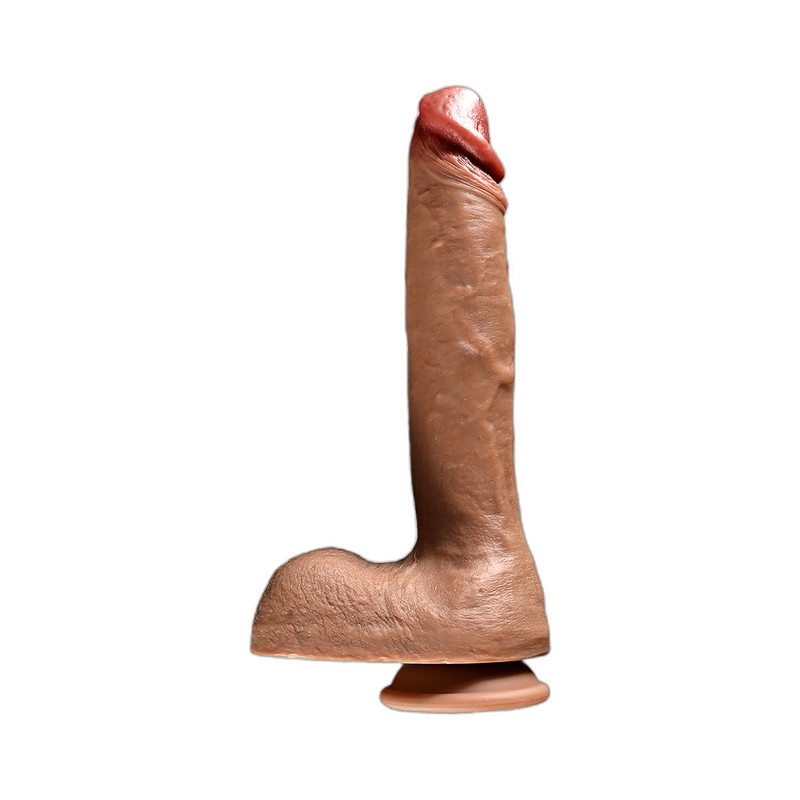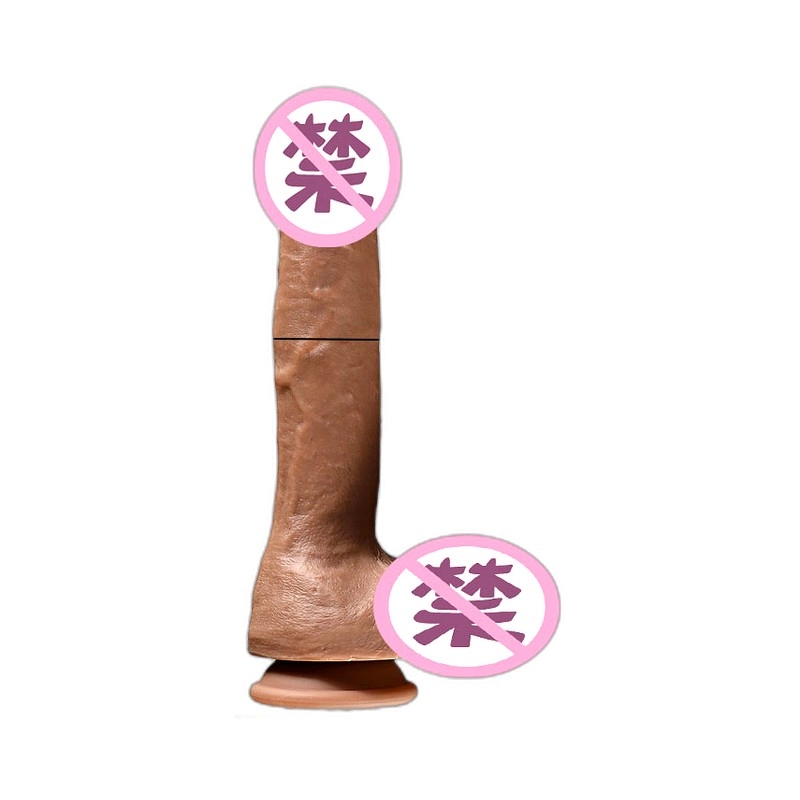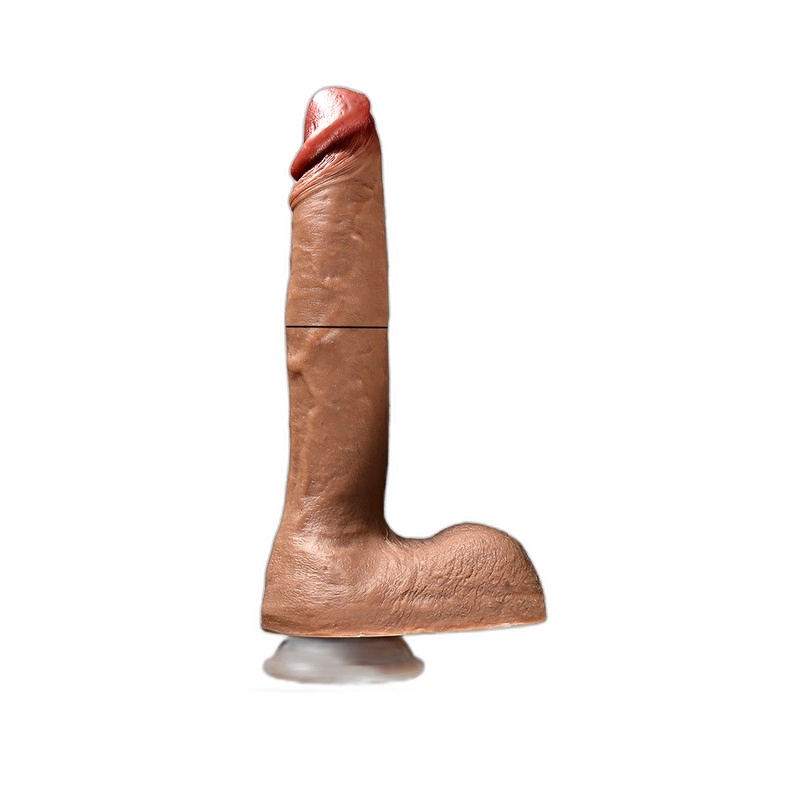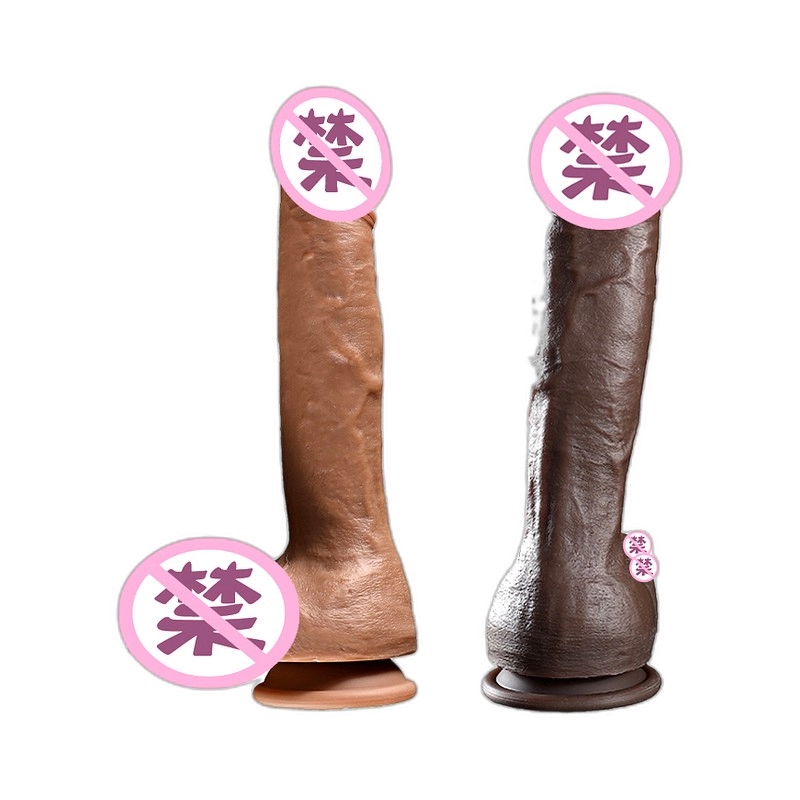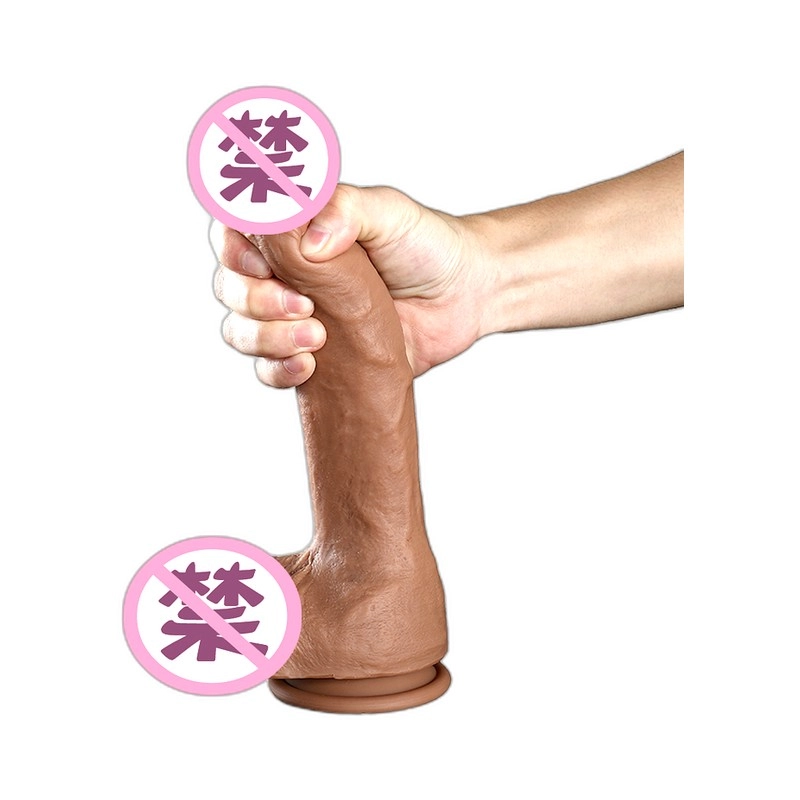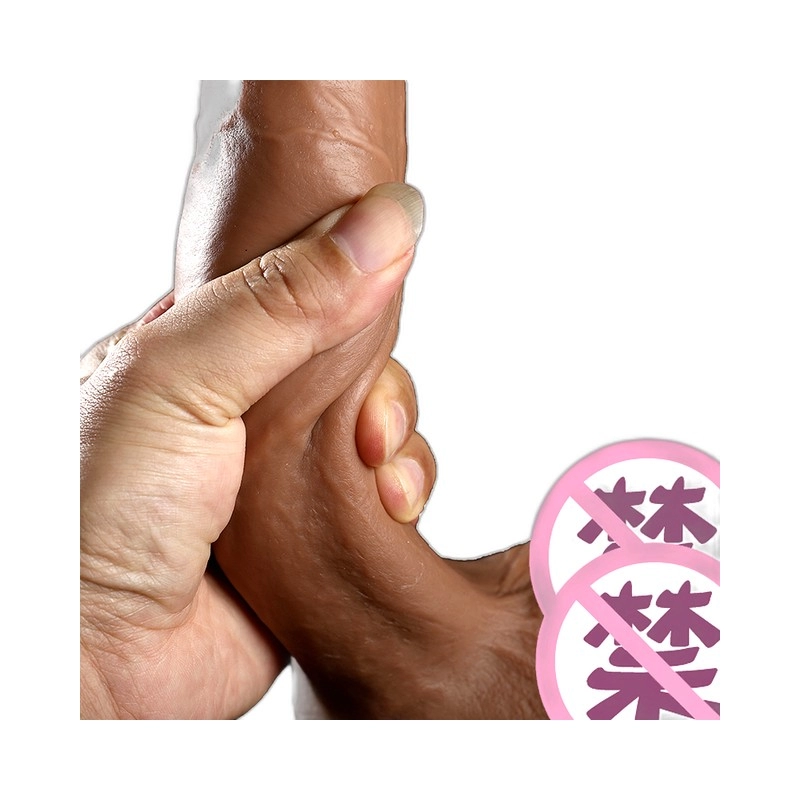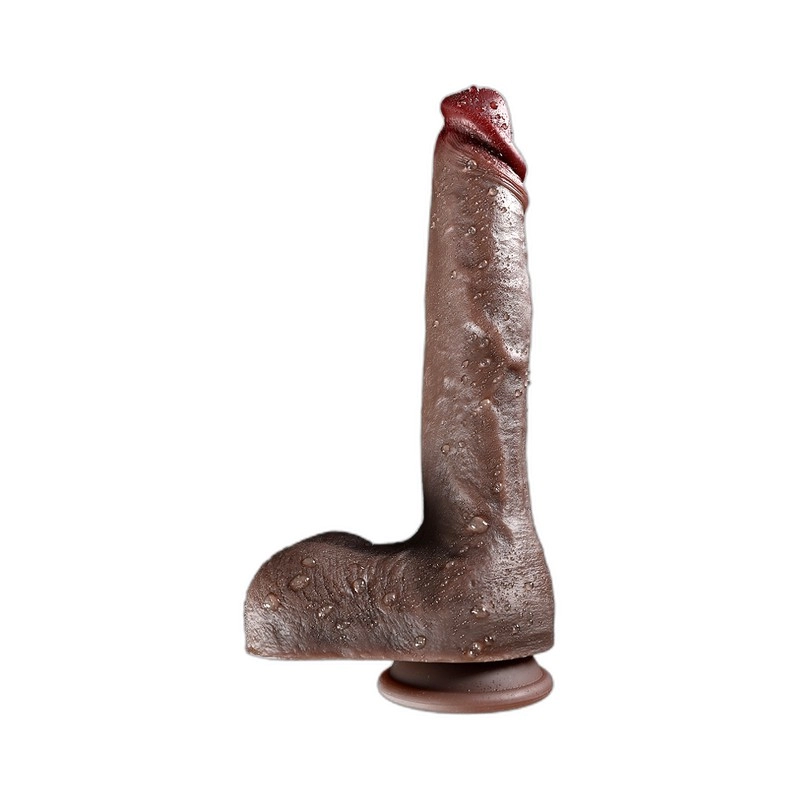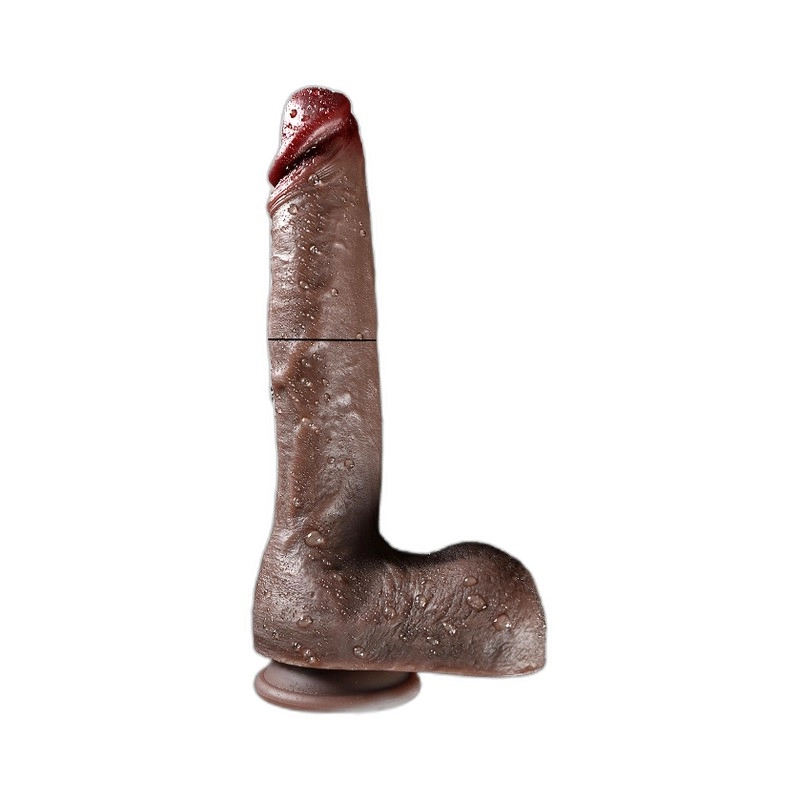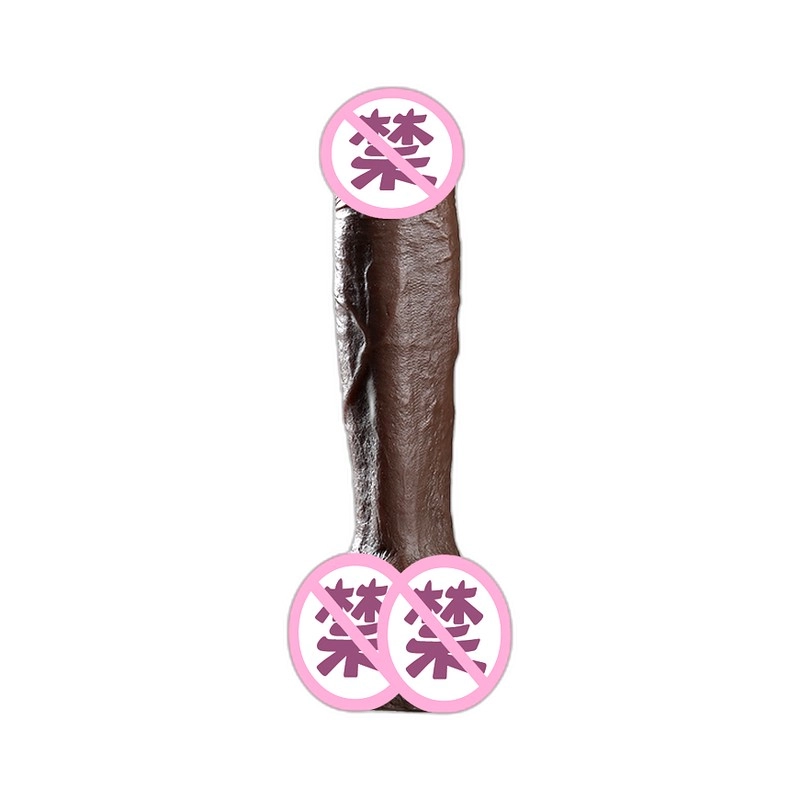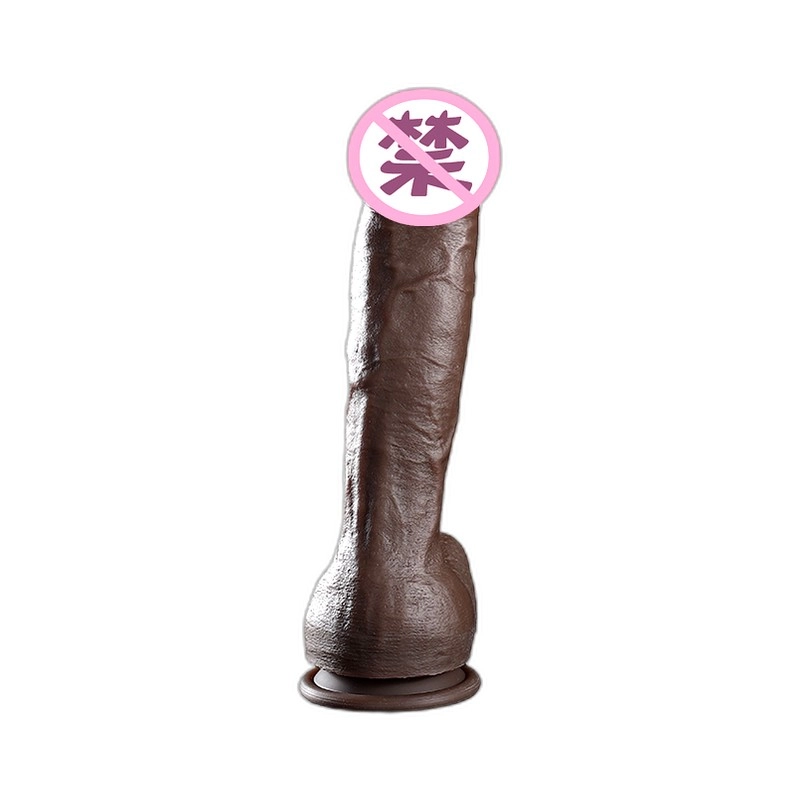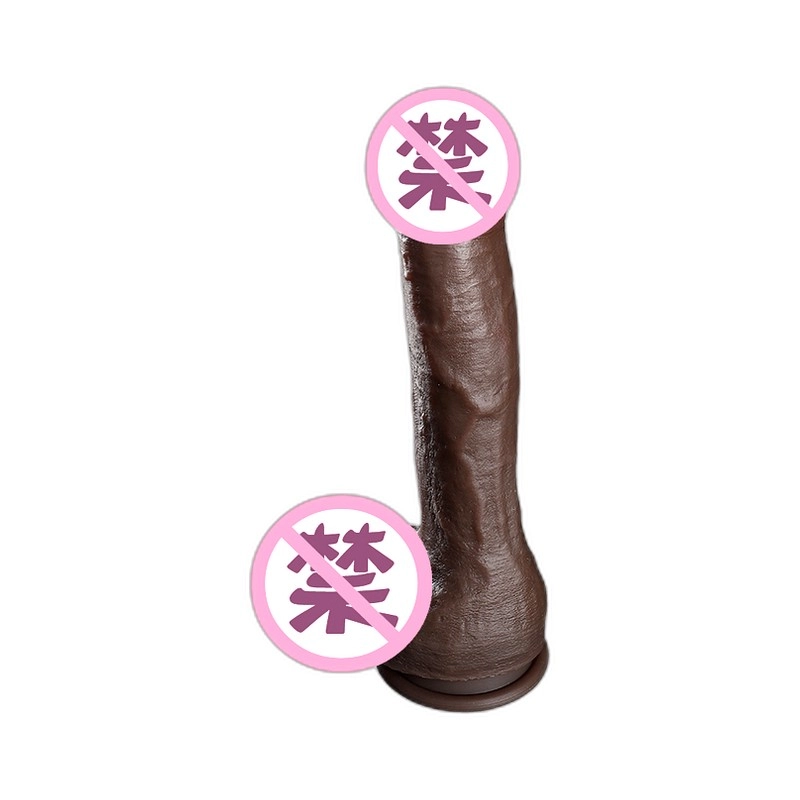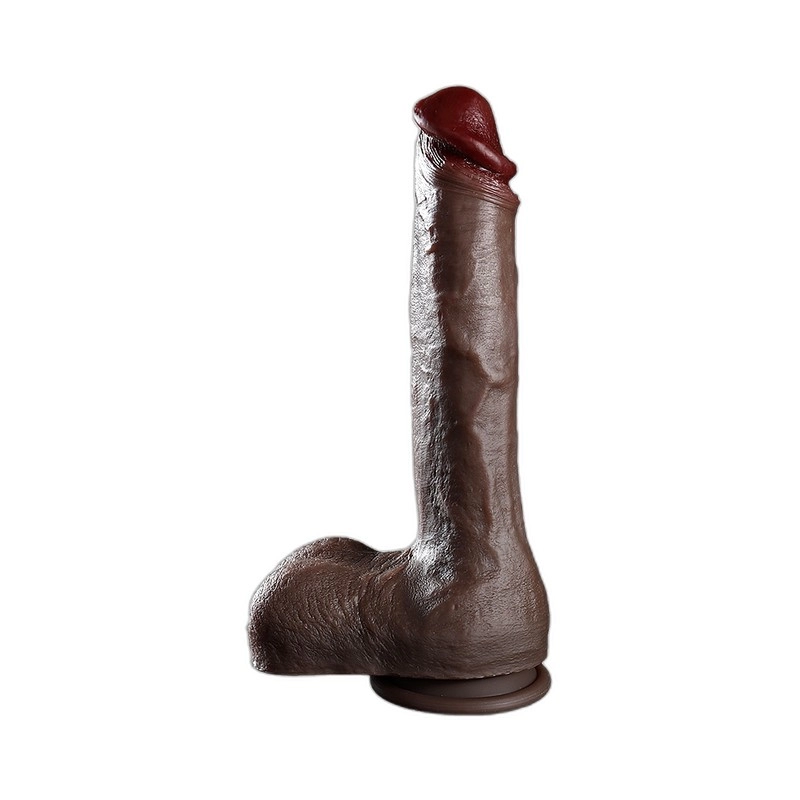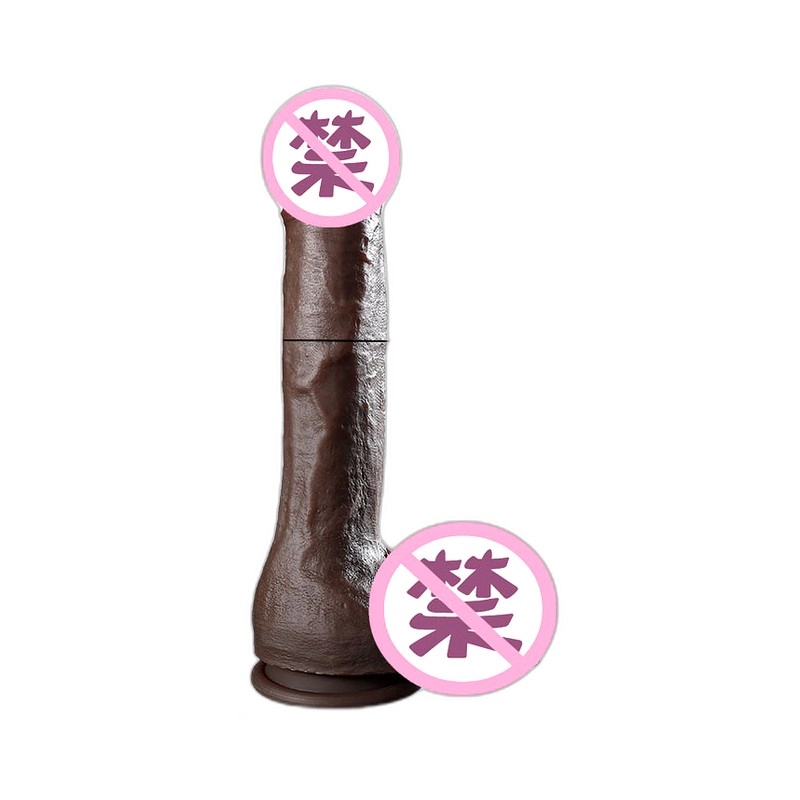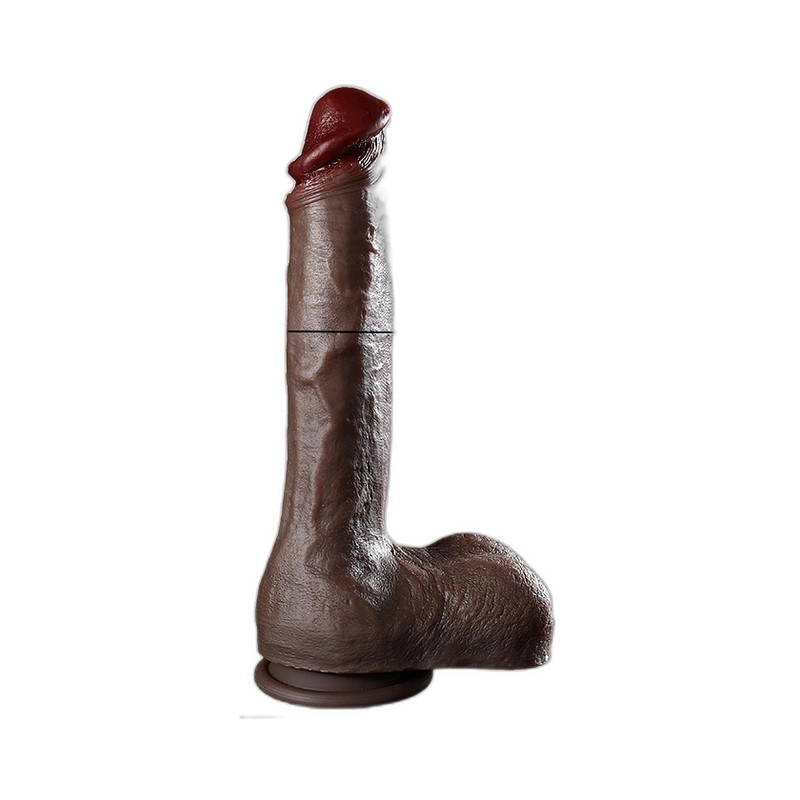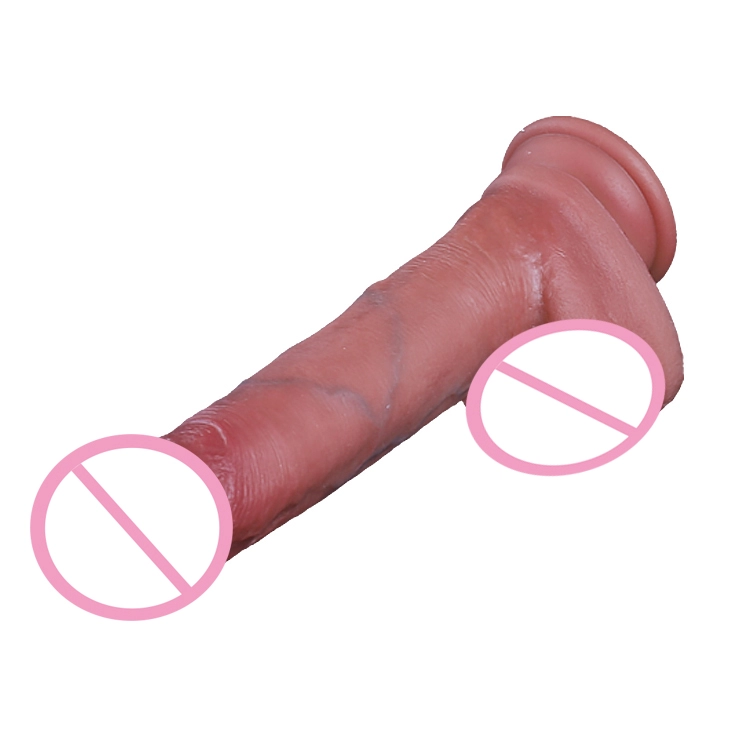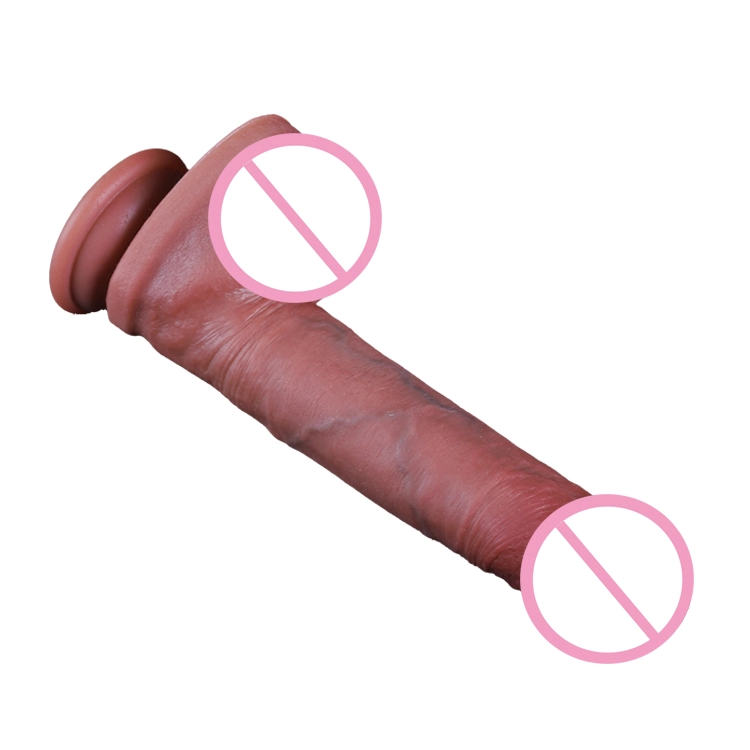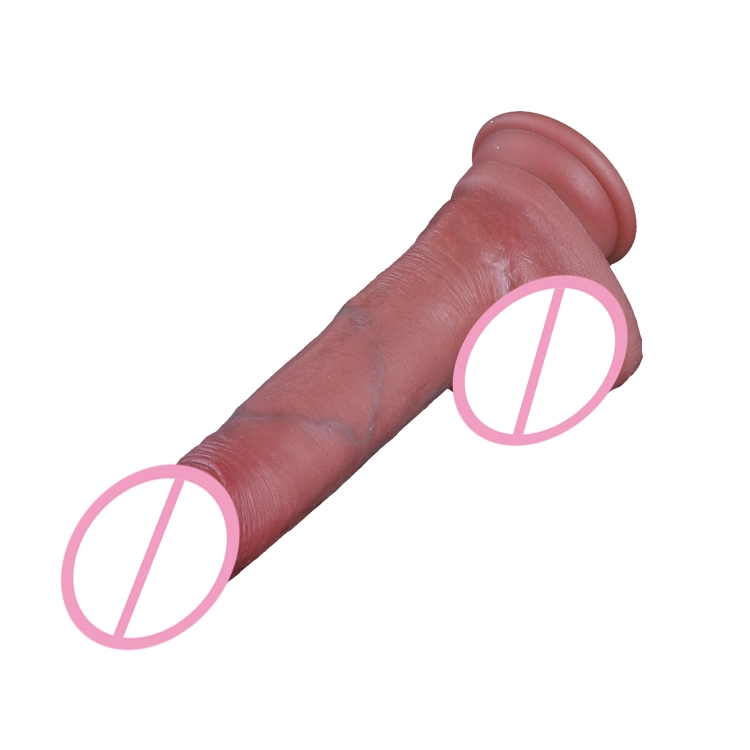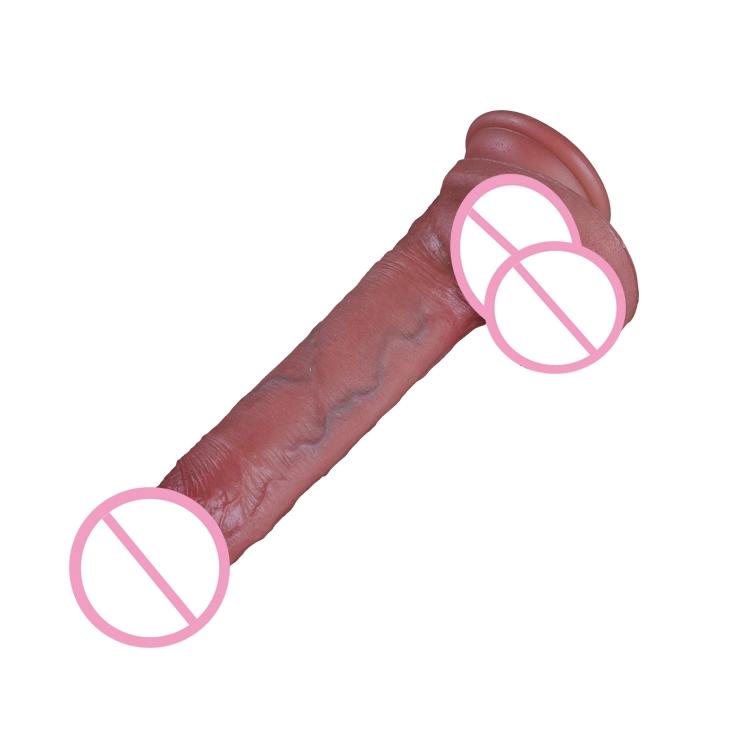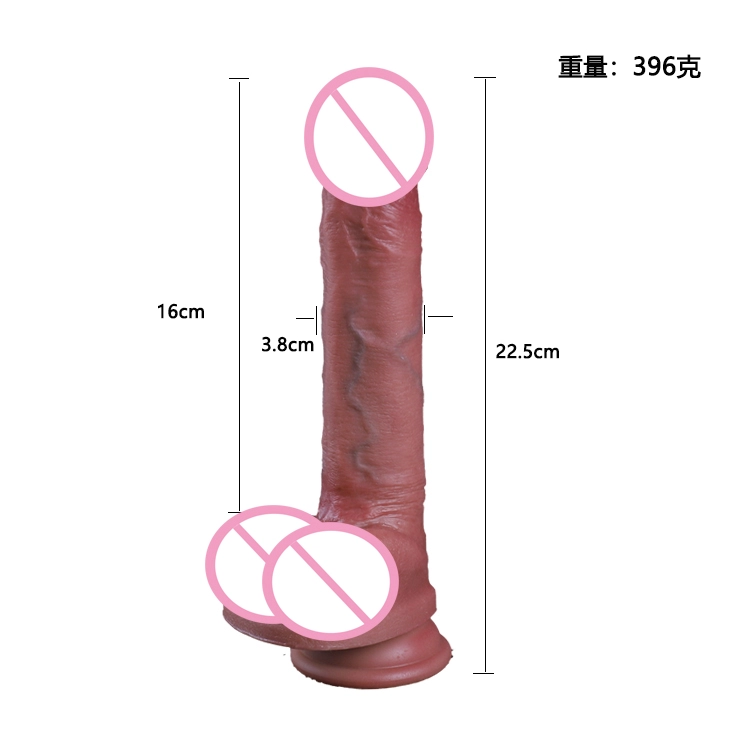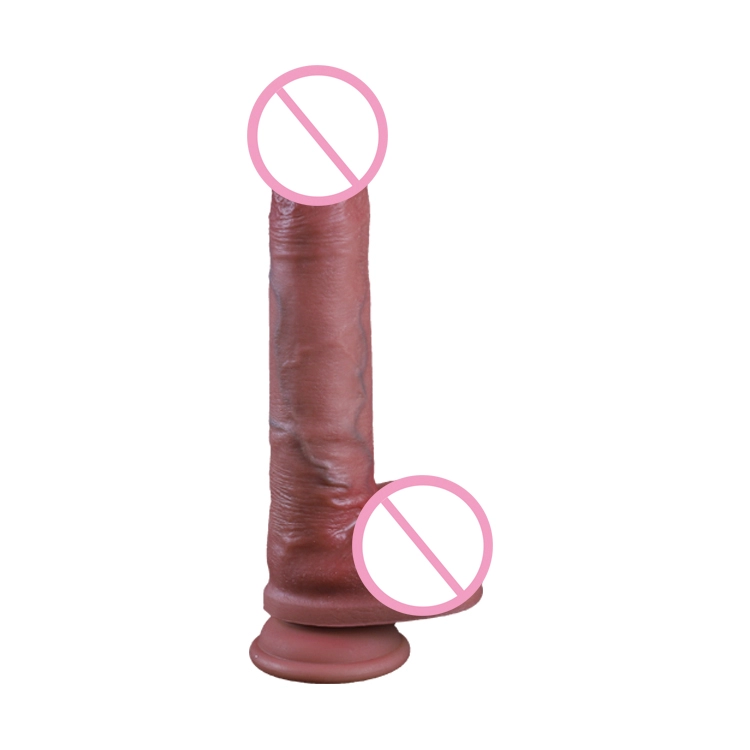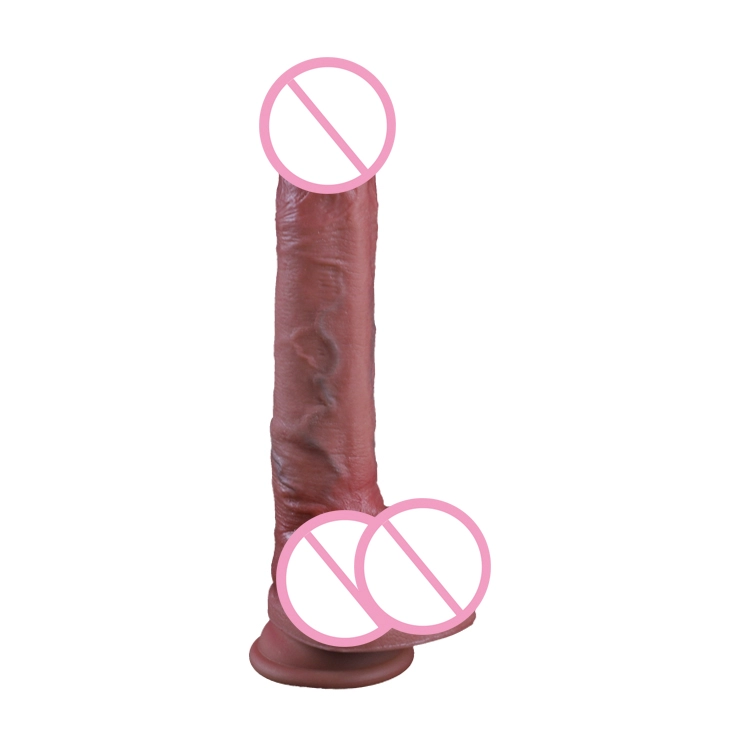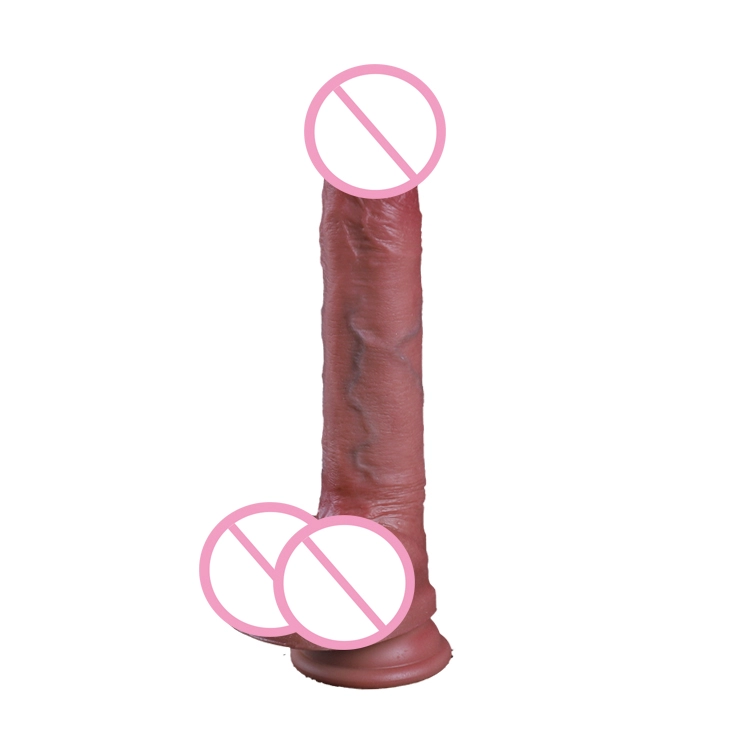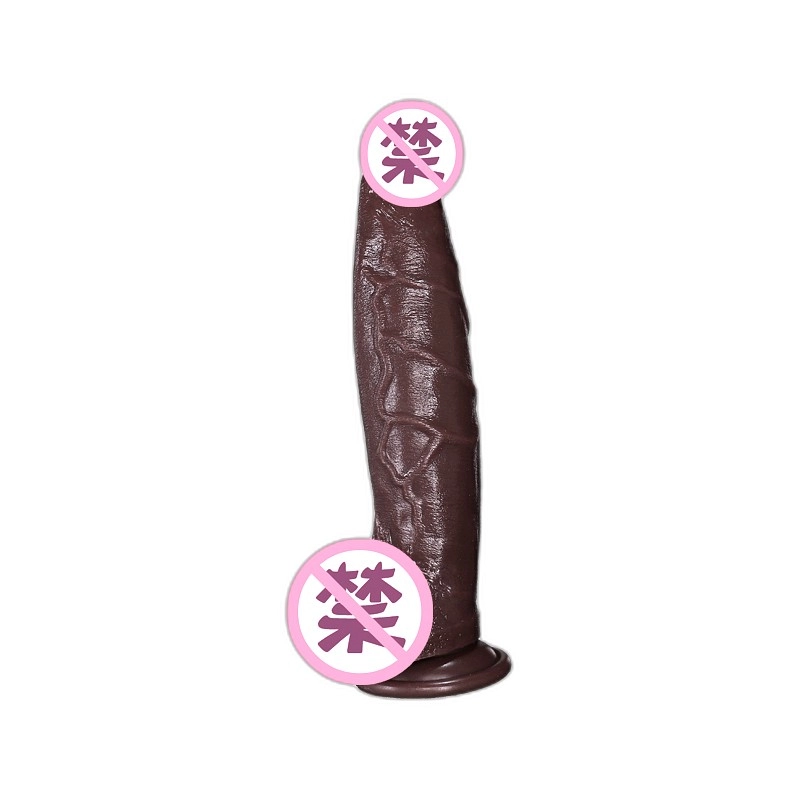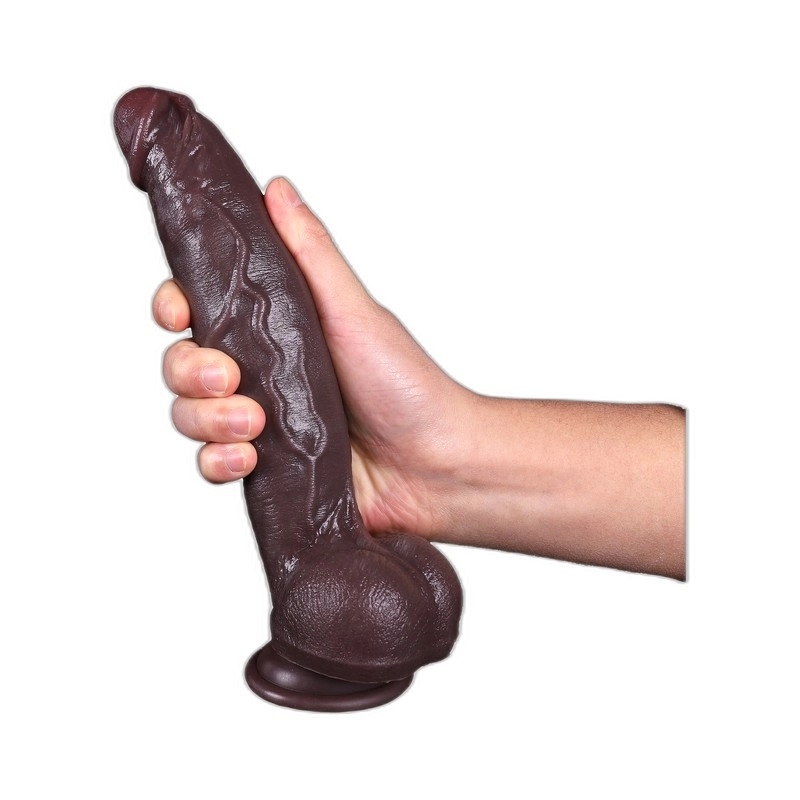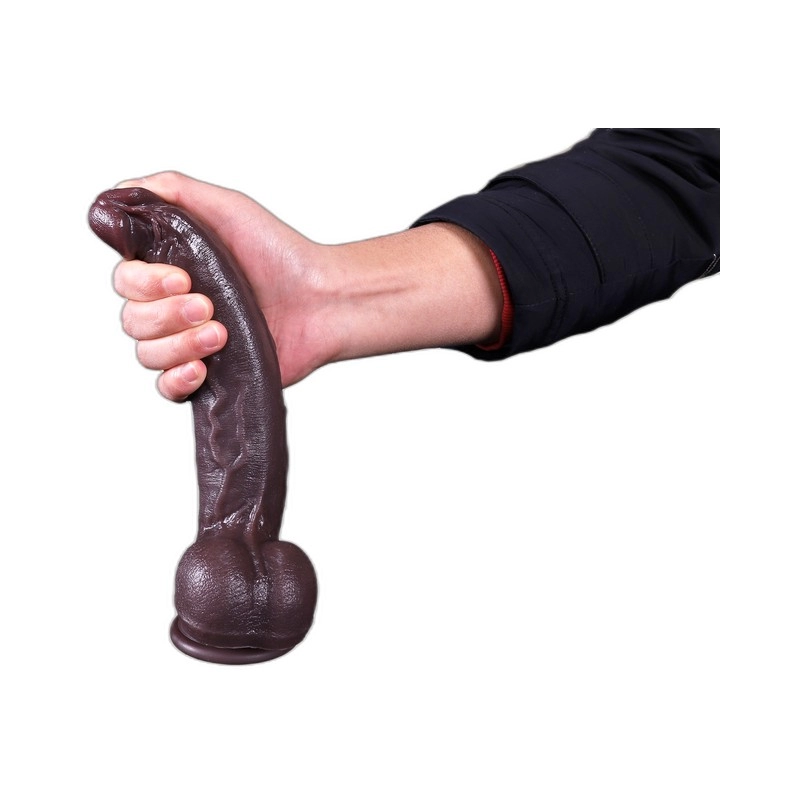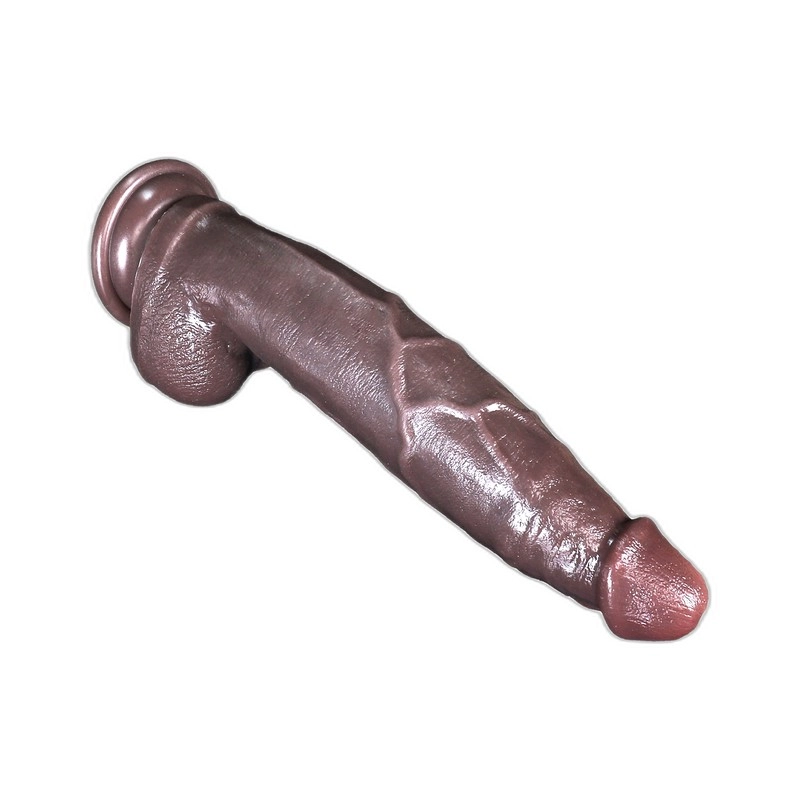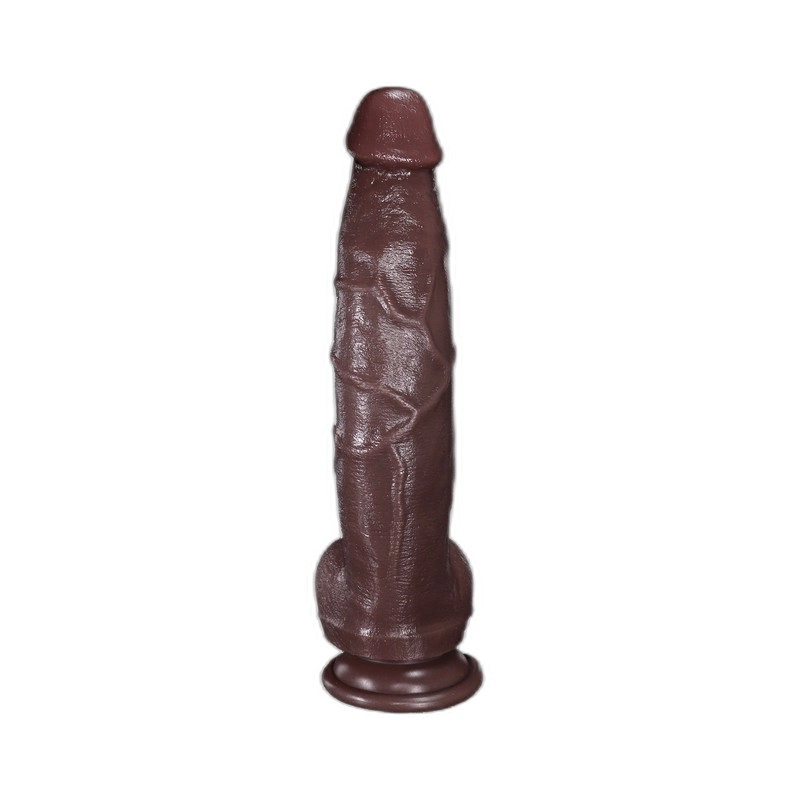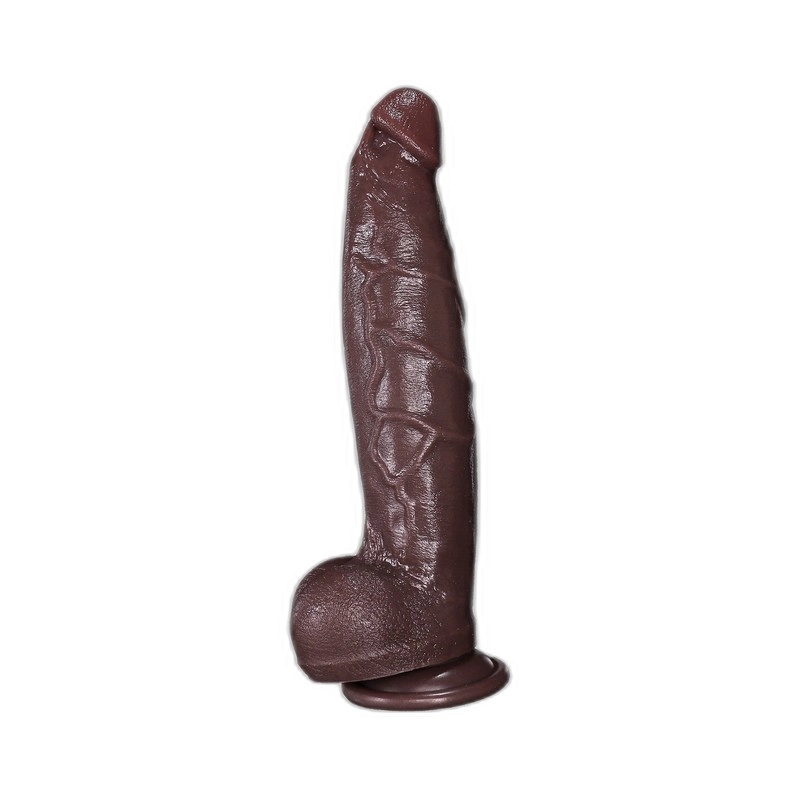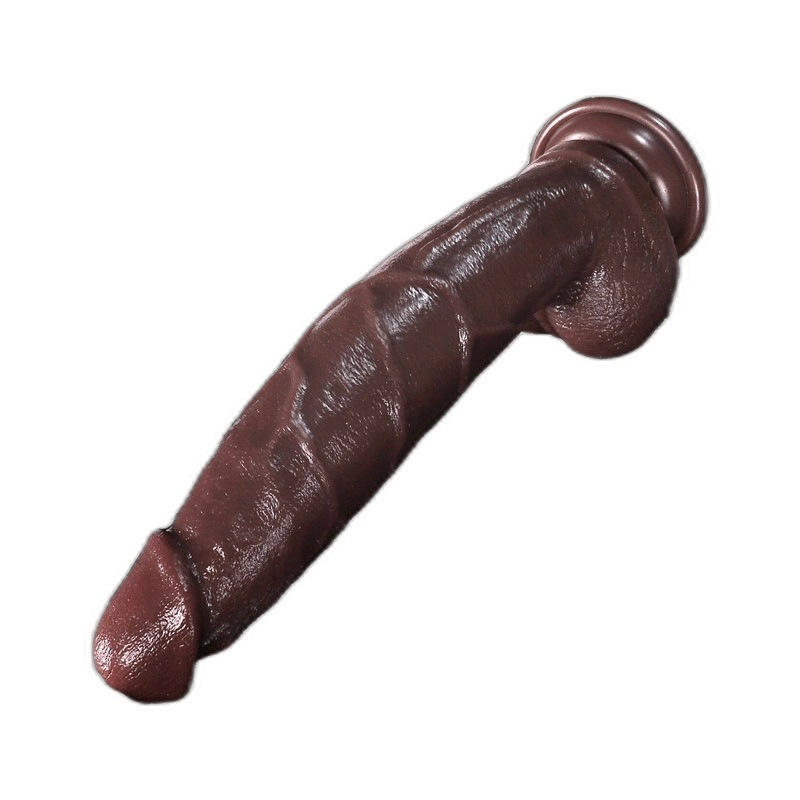
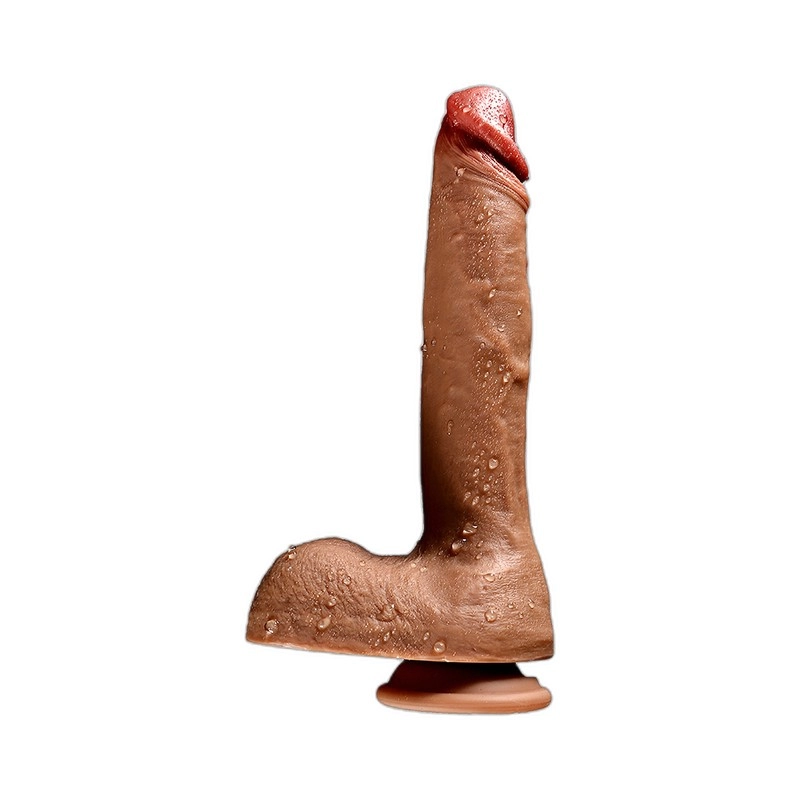
Choosing the wrong base material is the single most expensive mistake an adult toy brand can make. It drives returns, triggers compliance failures, and shortens a product's shelf life before it ever reaches repeat-purchase territory. For wholesale buyers and private-label brands sourcing from China, the decision usually narrows to two options: medical-grade silicone and TPE.
This guide breaks down how the two materials actually behave in production and in the hands of end users, so you can specify the right one for each SKU in your line.
Why Material Choice Decides Product Success
Material determines four commercial outcomes at once: product lifespan, cleaning behavior, regulatory paperwork, and unit cost. A toy that cannot be cleaned effectively becomes a hygiene complaint. A toy that degrades in storage becomes a chargeback. Neither outcome is fixable after the container ships.
At our Dongguan facility we produce both silicone and TPE lines, typically running 750g to 15kg pour weights depending on the model. The specification conversation almost always starts with one question: is this product positioned as a durable, premium item or a high-turnover entry item?
Medical-Grade Silicone vs TPE: Side-by-Side Comparison
| Property | Medical-Grade Silicone | TPE / TPR |
|---|---|---|
| Porosity | Non-porous, closed surface | Micro-porous, absorbs moisture |
| Cleaning | Boil, dishwasher or 70% alcohol safe | Surface wash only; degrades with heat |
| Service life | 3–5+ years with correct care | 6–18 months typical |
| Surface feel | Firm, smooth, low tack | Softer, more "skin-like", oilier |
| Oil migration | None | Mineral oil leaches over time |
| Stain resistance | High | Low — discolors against dark fabric |
| Unit cost | Higher (2–4× material cost) | Lower |
| Best for | Premium, reusable, long-life SKUs | Entry price points, trial sizes |
The comparison is not a quality verdict. TPE is a legitimate material for a defined position in the market — it is simply a different product promise. The failure mode is mislabeling: selling TPE with silicone-grade hygiene claims, which is where compliance and reputation risk concentrates.
Platinum-Cure vs Peroxide-Cure Silicone
Not all silicone is equivalent. Two curing systems are used in this industry, and the difference is commercially significant:
- Platinum-cure (addition-cure): No peroxide byproducts, no smell, higher clarity and tear strength, stable color. This is the standard for body-contact products.
- Peroxide-cure (condensation-cure): Cheaper, faster, but releases byproducts that create odor and can cause skin irritation. Not appropriate for body-contact applications.
When a supplier quotes an unusually low silicone price, the first question to ask is which curing system is being used. Shore hardness is the second — we typically run 00-30 to 00-50 Shore A for torso and insertable products, adjusted per model to balance realism against structural durability.
How to Verify Material Claims from a Supplier
- Request the material safety data sheet (MSDS) and confirm the base polymer grade, not just a generic "silicone" description.
- Ask for a cure-system declaration in writing. Platinum-cure should be stated explicitly on the specification sheet.
- Run a flame test on a sample. Silicone forms white ash and no dripping; TPE melts and burns like wax.
- Test with 70% isopropyl alcohol. Silicone is unaffected; TPE becomes tacky or cloudy.
- Check for odor out of the bag. A strong chemical smell indicates condensation-cure or a high plasticizer load.
- Confirm third-party test reports for the relevant market — FDA 21 CFR 177.2600 for the US, CE and REACH for the EU.
Choosing for Your Product Line
A workable rule for most catalogs is to split the range: use medical-grade silicone for flagship and repeat-purchase SKUs where hygiene and longevity are the selling point, and TPE for entry-tier items where delivered price is the deciding factor. Keep the material declaration accurate on every listing — that single discipline prevents the majority of post-sale disputes.
FAQ
Is silicone always better than TPE for adult toys?
For hygiene-critical, reusable products, yes — silicone is non-porous and heat-safe, so it can be fully sanitized. For single-price-point entry items, TPE delivers acceptable performance at a materially lower cost.
How can I tell if a product is really silicone?
Run the alcohol and flame tests on a sample, and require a cure-system declaration on the specification sheet. Platinum-cure silicone is unaffected by 70% isopropyl alcohol and leaves white ash when burned.
Does silicone cost more to manufacture?
Material cost is typically two to four times that of TPE, though labor and molding costs are comparable. The premium is recovered through longer product life and fewer hygiene-related returns.
Can you produce the same model in both materials?
Yes. Most molds can run both silicone and TPE with adjusted process parameters, which lets you offer a tiered range from a single tooling investment.
Next Step
If you are specifying a new line, send us your target market, price band and hygiene claims. We will recommend the material system that supports them and return a sample for verification before tooling is committed. Contact our team to request material samples and test reports.
About the author: Dongguan Shuohuo Trading Co., Ltd. is a silicone adult products manufacturer established in 2020, supplying medical-grade silicone toys, strict QC and discreet packaging to global wholesale and OEM buyers.