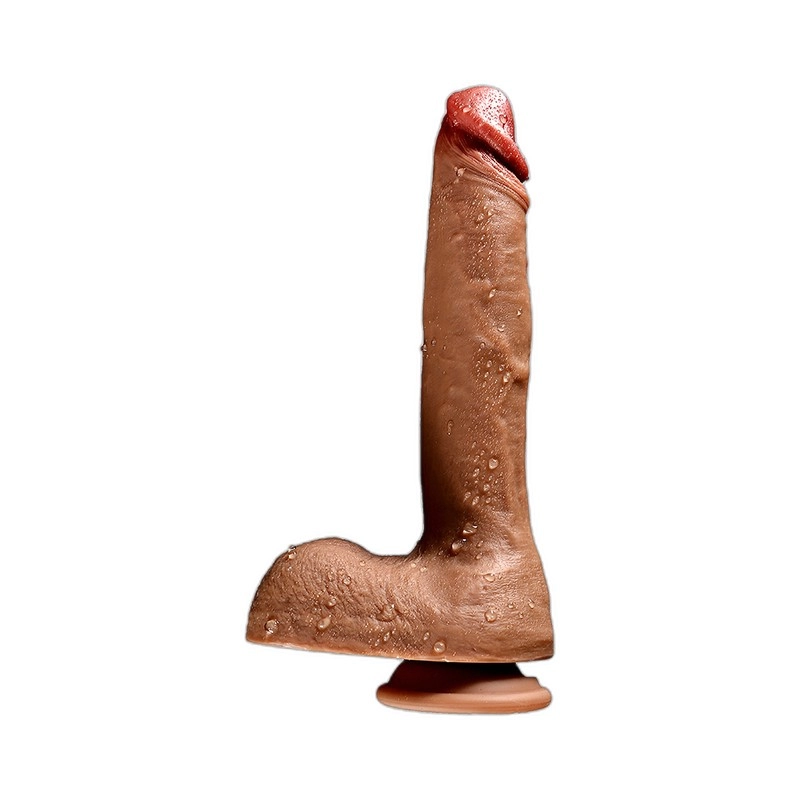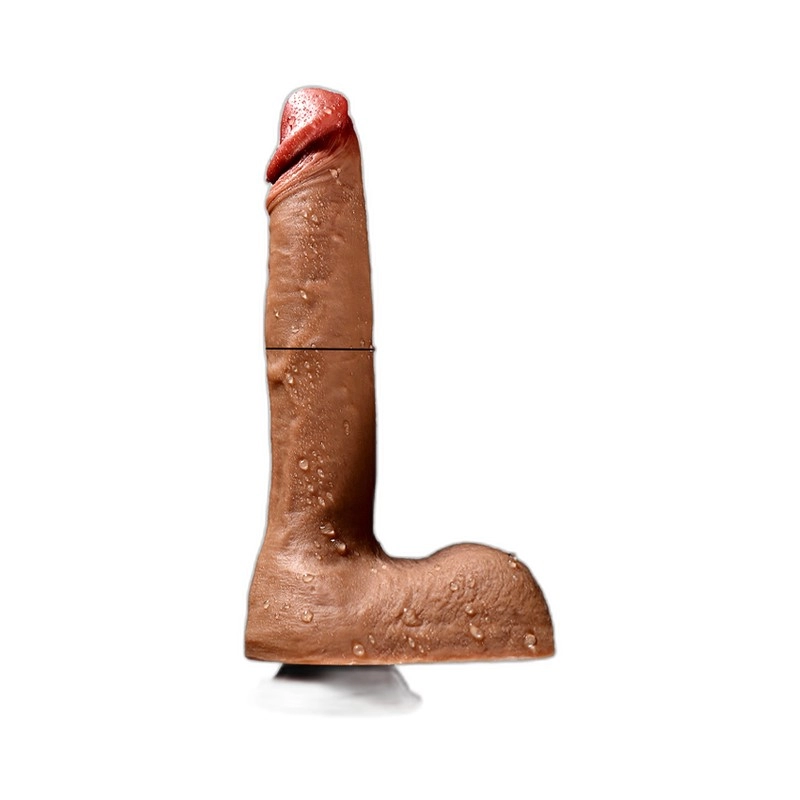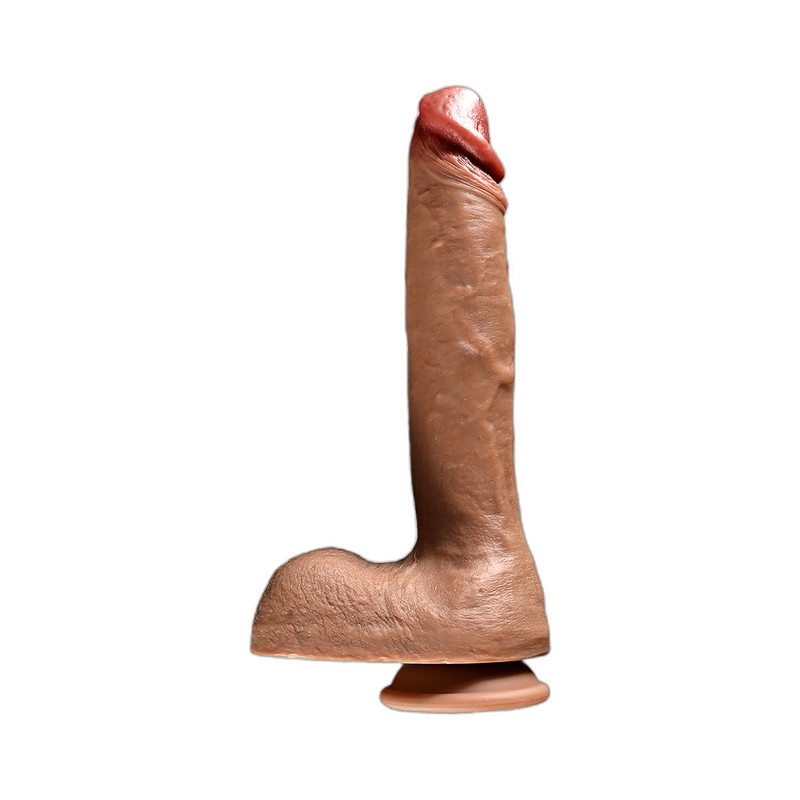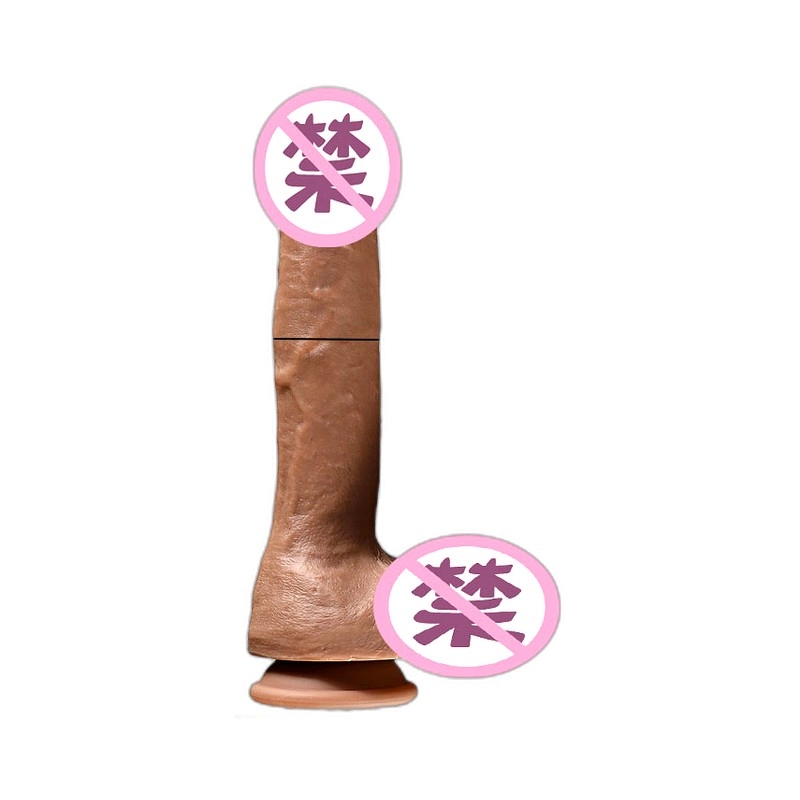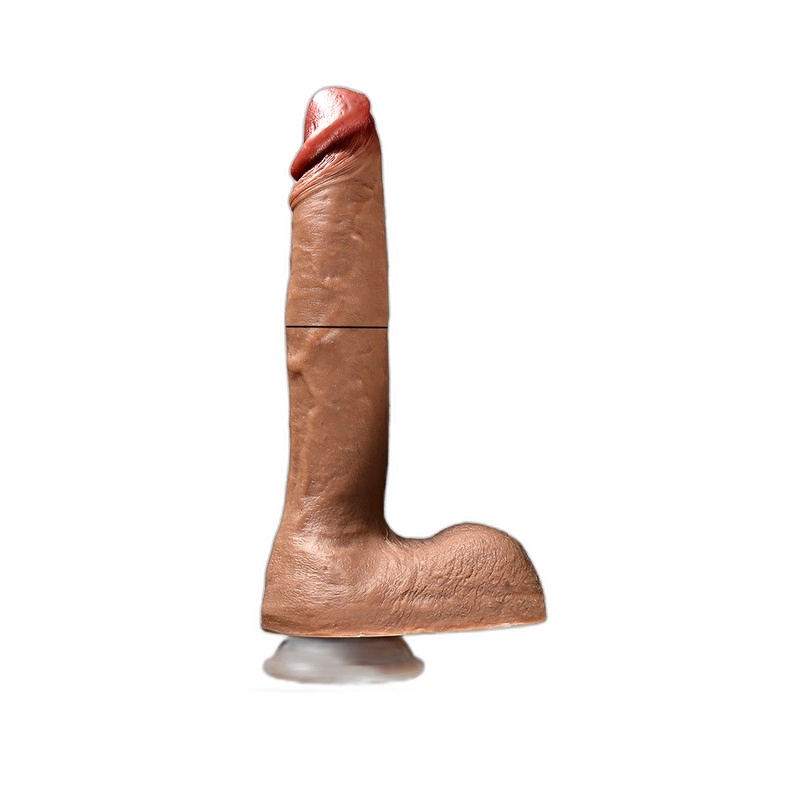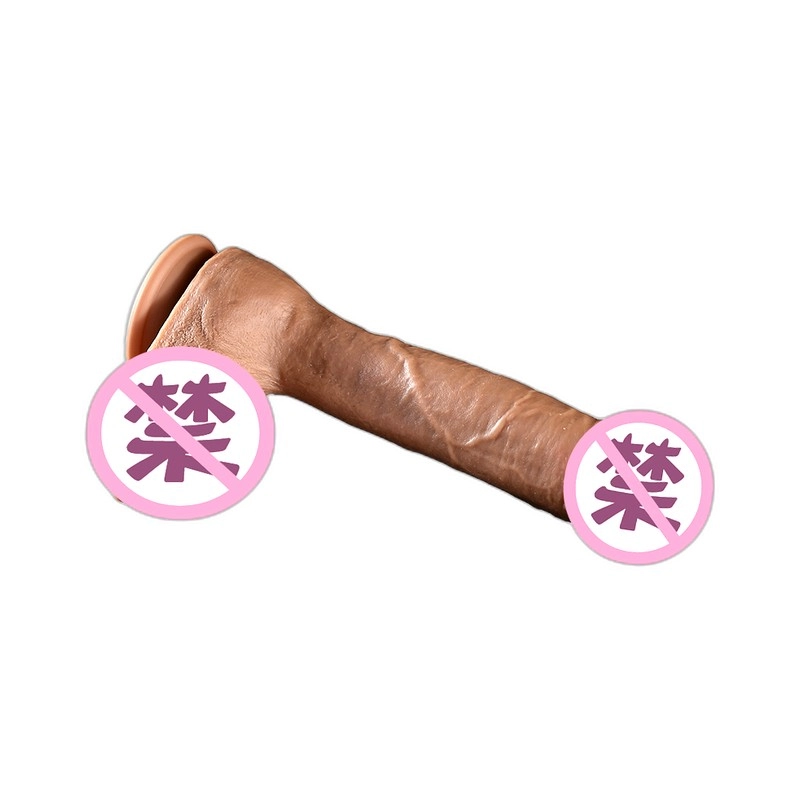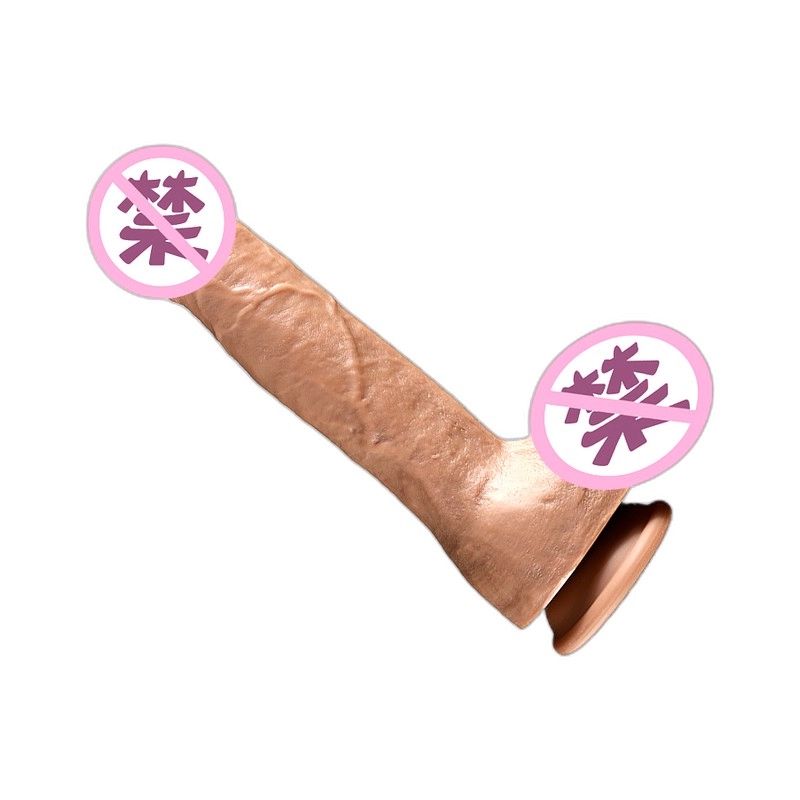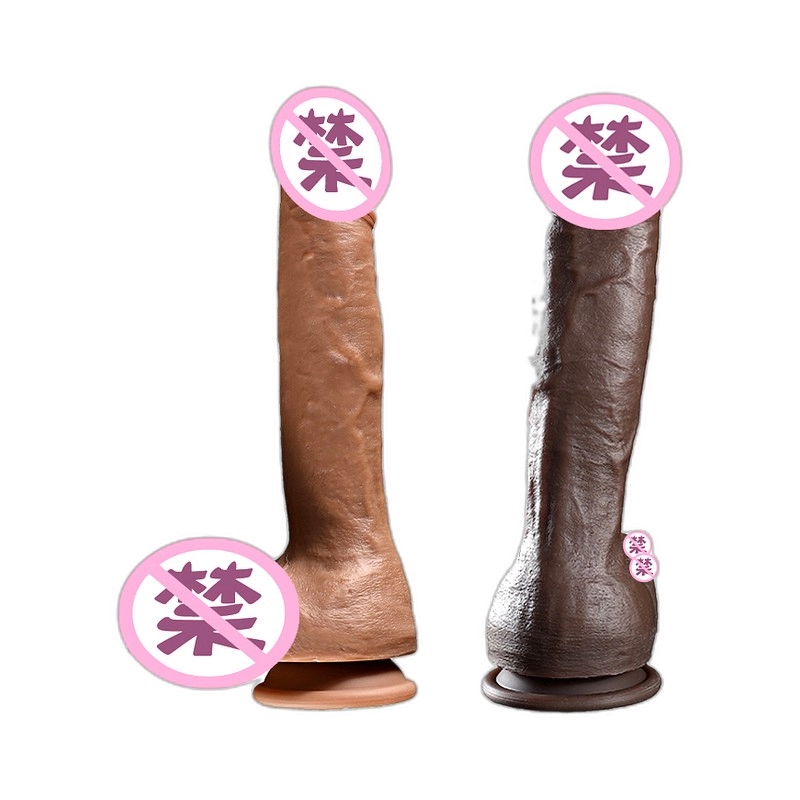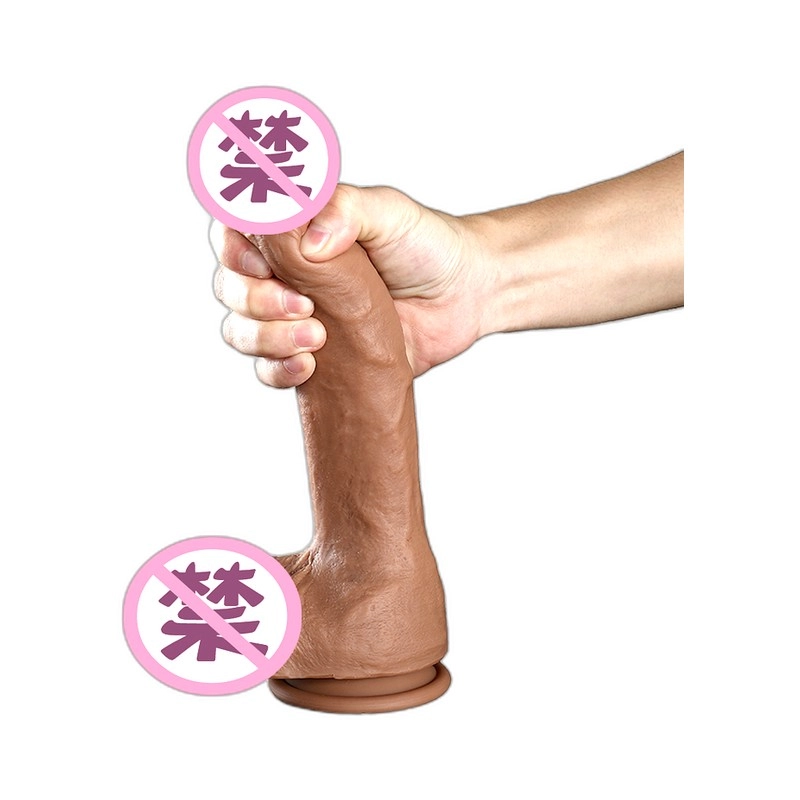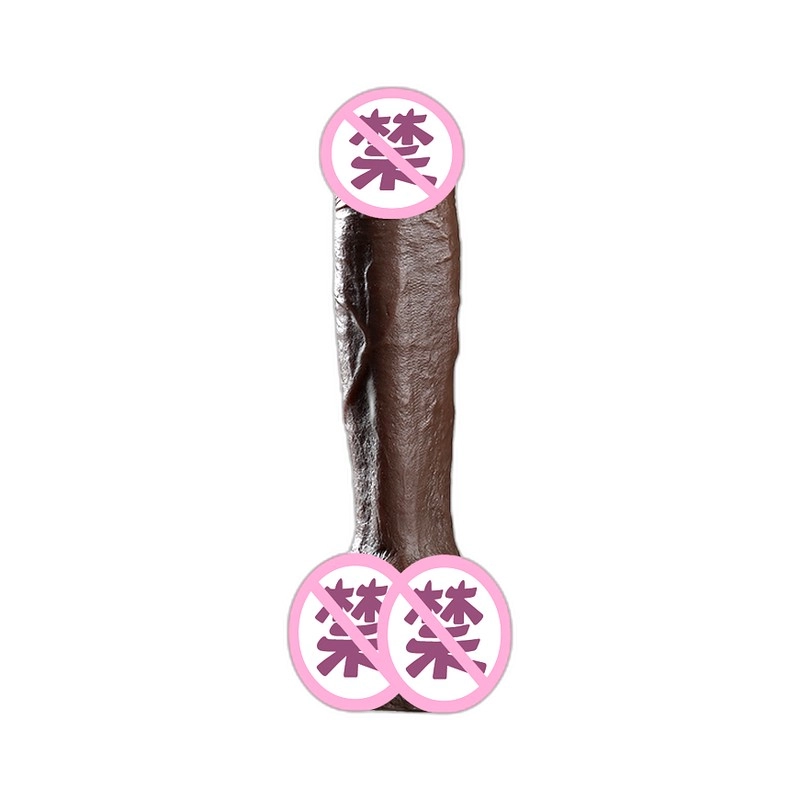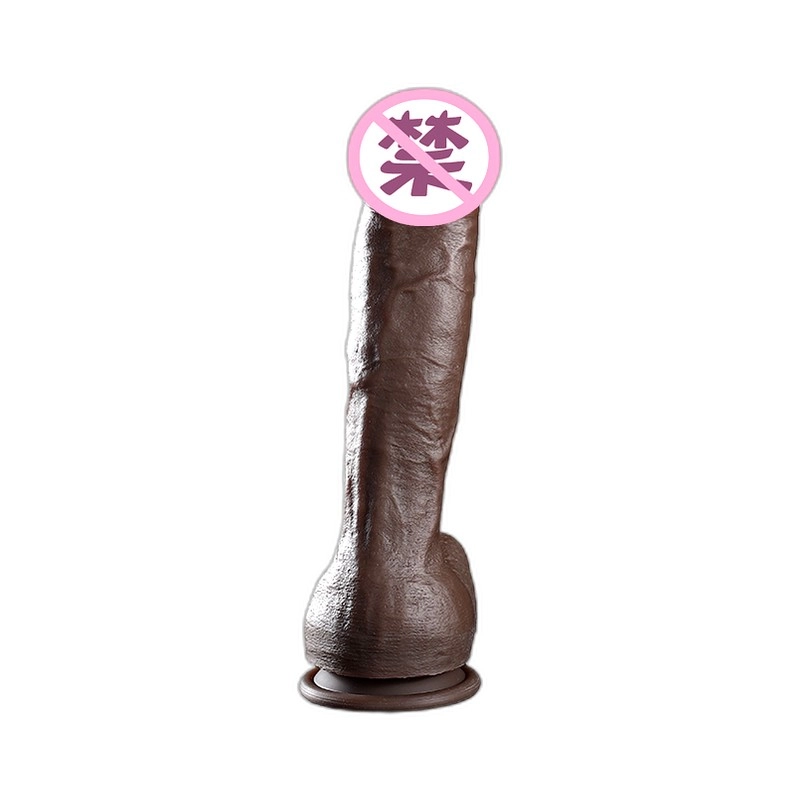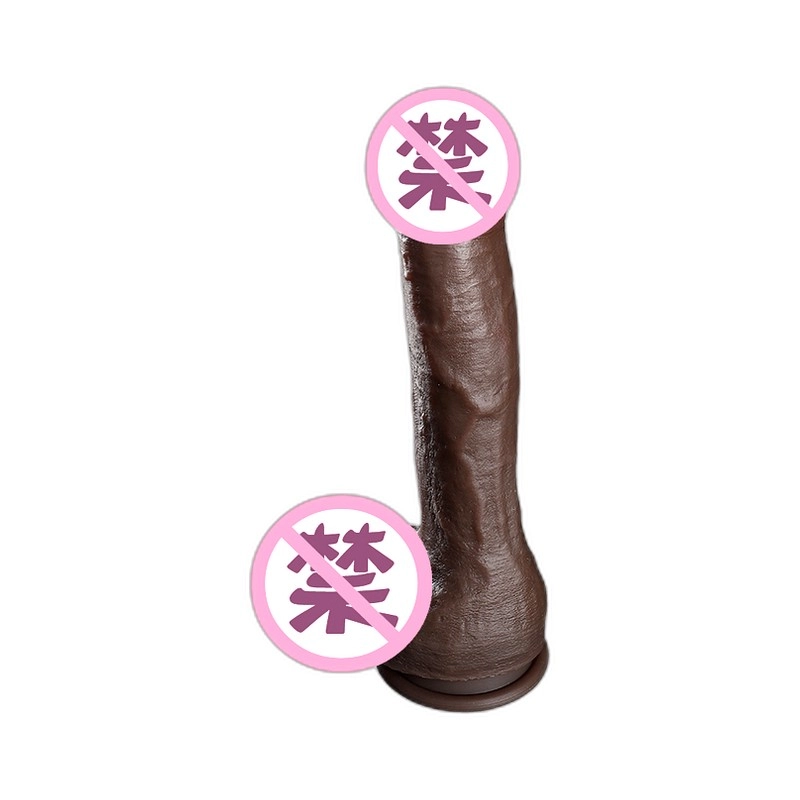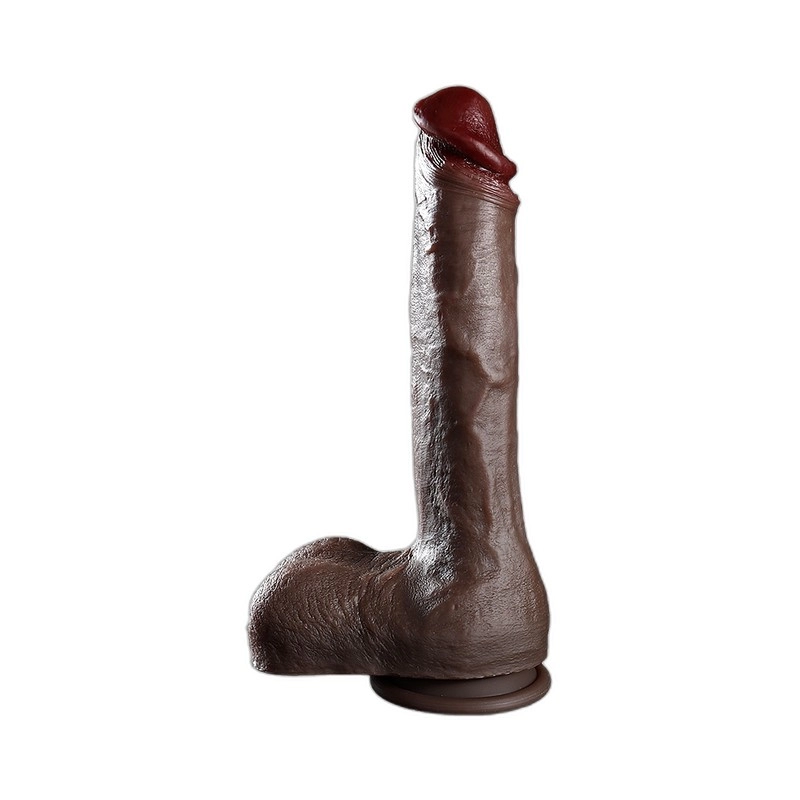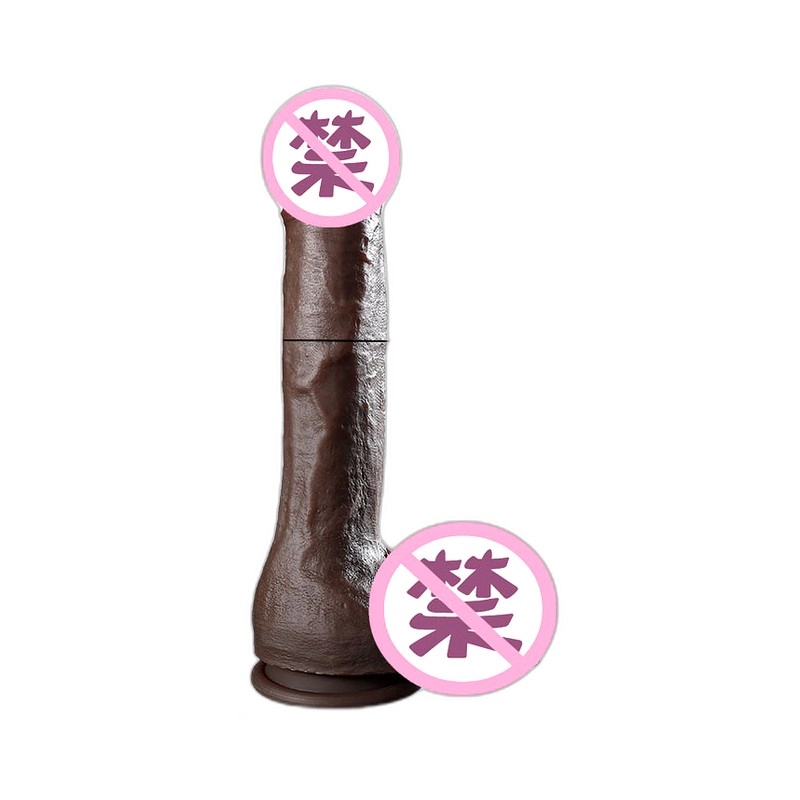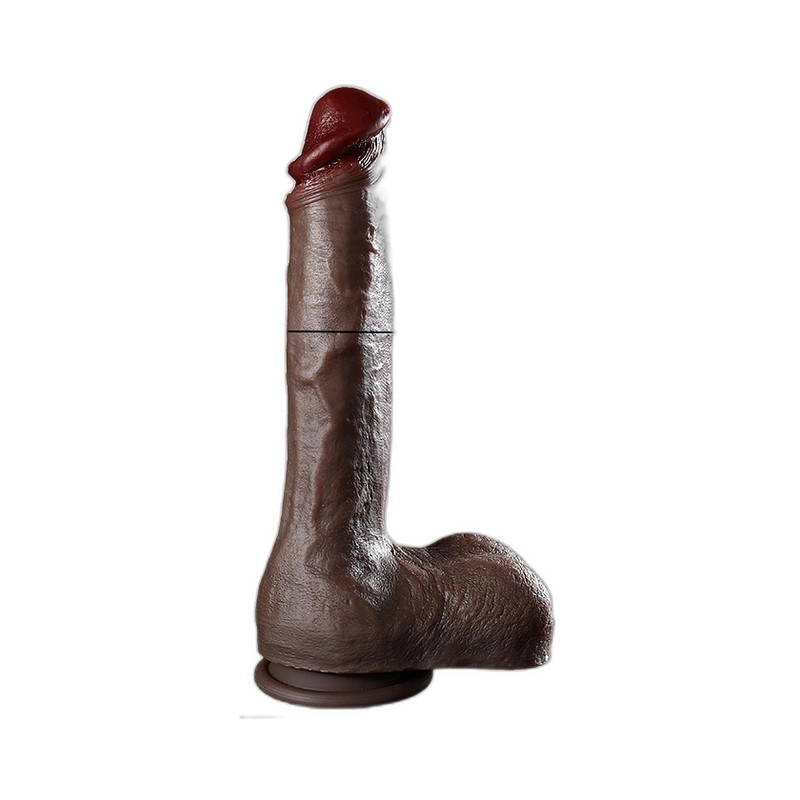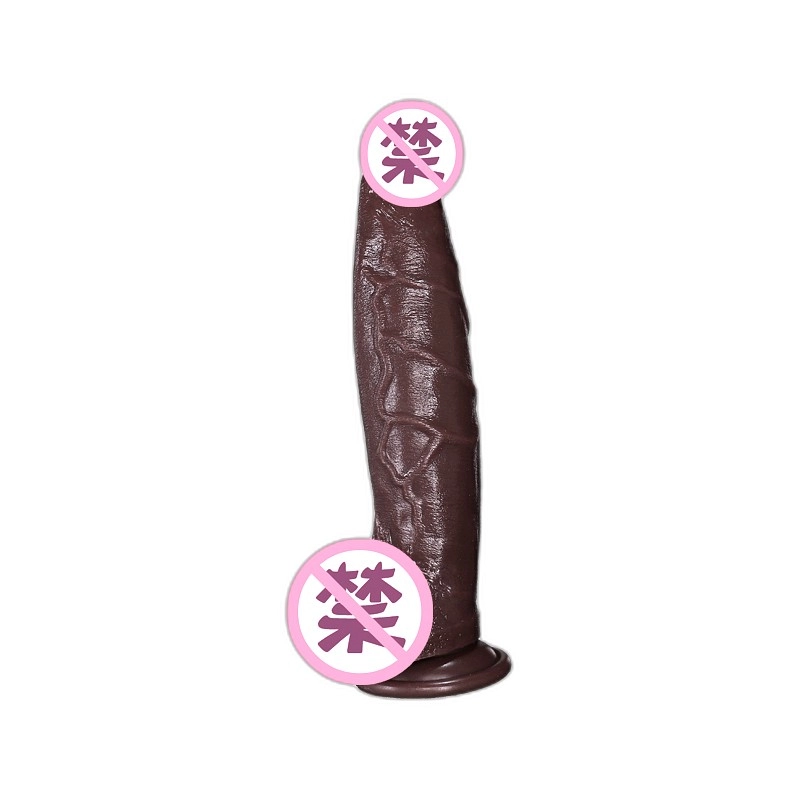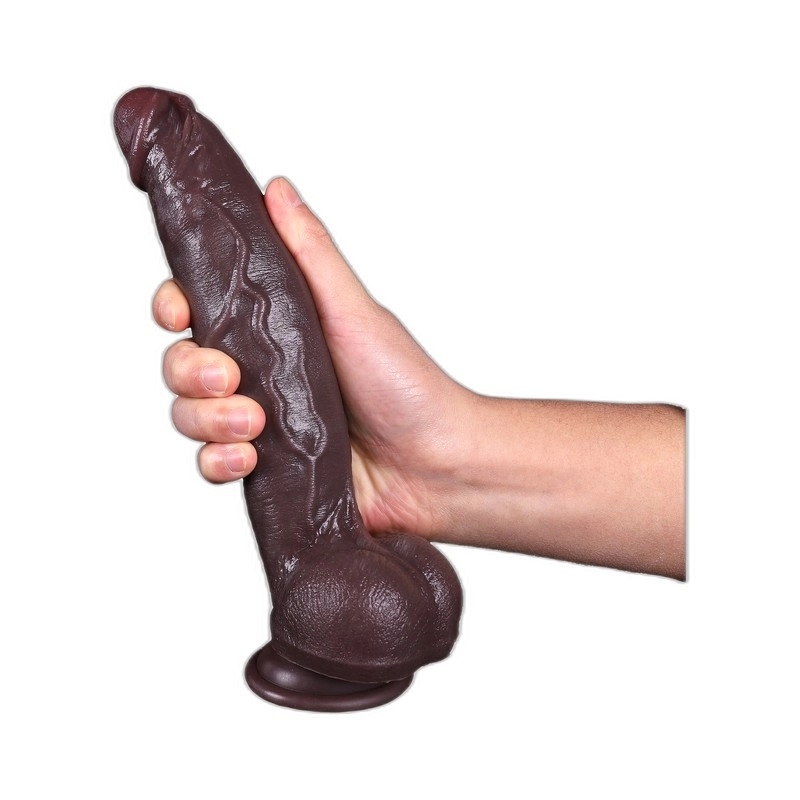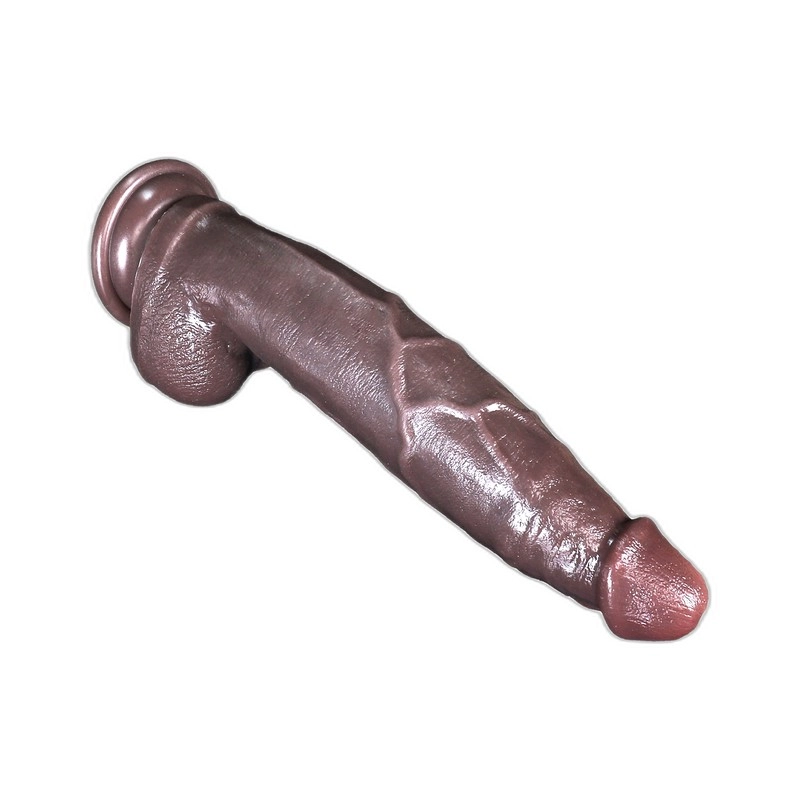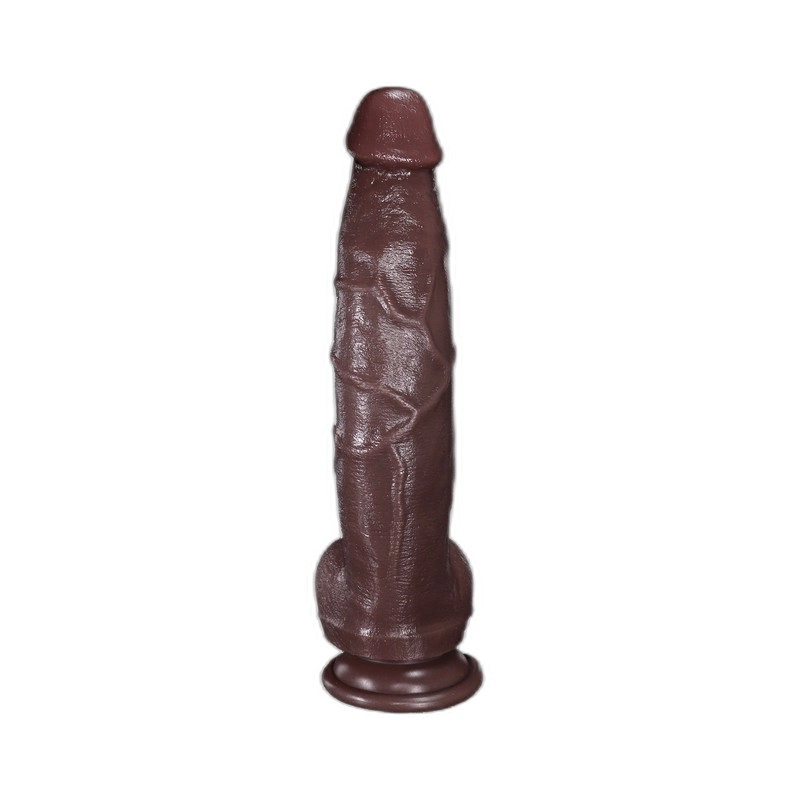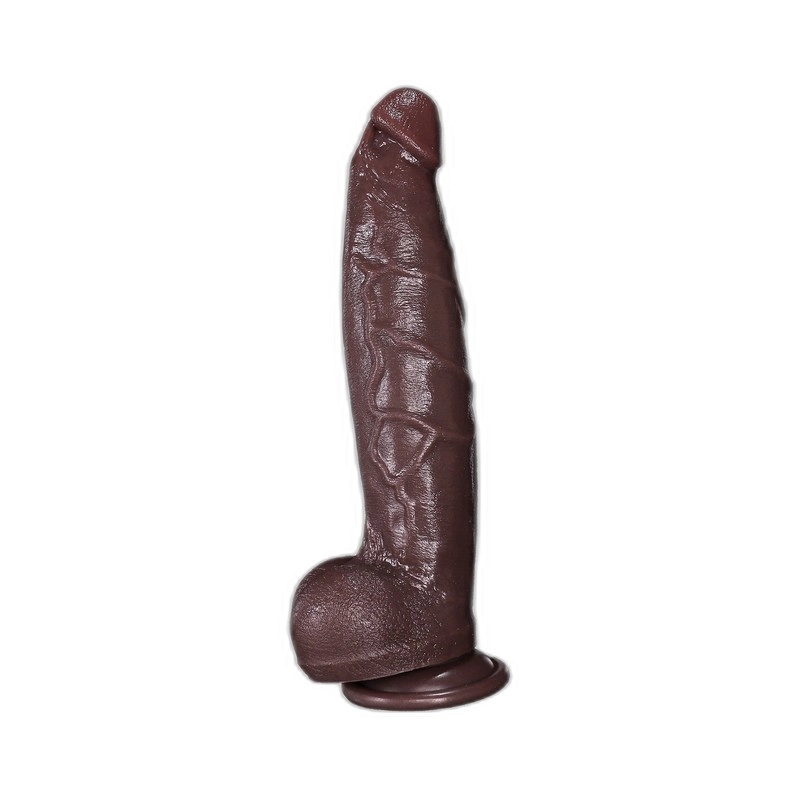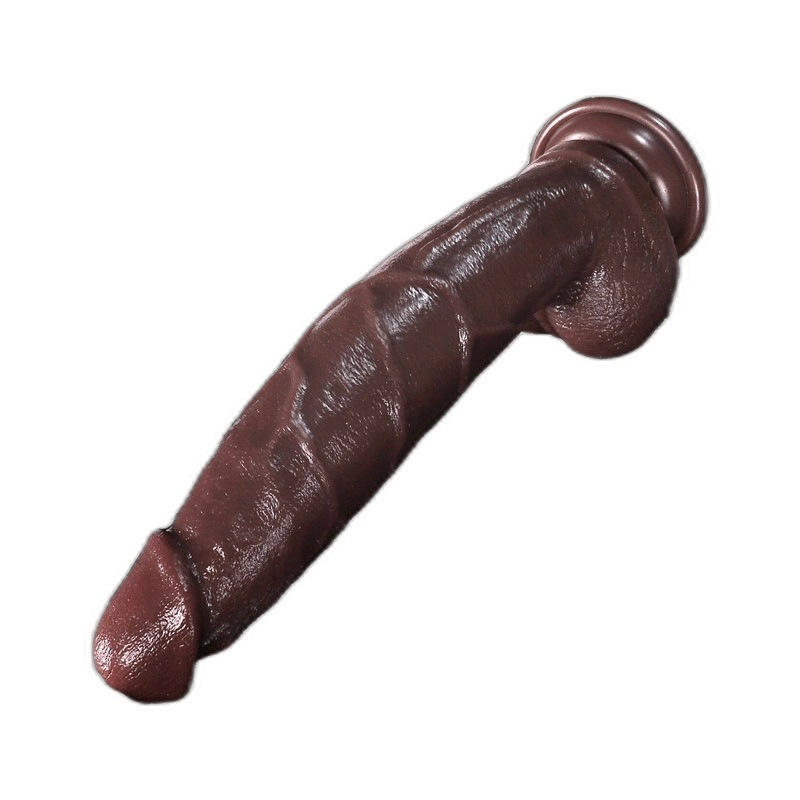
Sizing errors are the quiet profit leak in adult product retail. A model that photographs beautifully but arrives heavier or larger than the listing promised generates returns, negative reviews and marketplace suspensions. For wholesale buyers, sizing is not a creative decision — it is a specification decision, and it needs to be documented before tooling begins.
This guide explains the four dimensions that actually matter, how to read a factory specification sheet, and how to align size bands with the market segment you are targeting.
Why Sizing Is the Number One Return Driver
Buyers cannot assess an adult product the way they assess a phone case. There is no universal standard, and the same nominal length can vary by several centimeters between factories depending on how the measurement is taken. When a listing says "20 cm" without defining whether that is total length or insertable length, a percentage of buyers will receive something that does not match their expectation — and that expectation gap converts directly into returns.
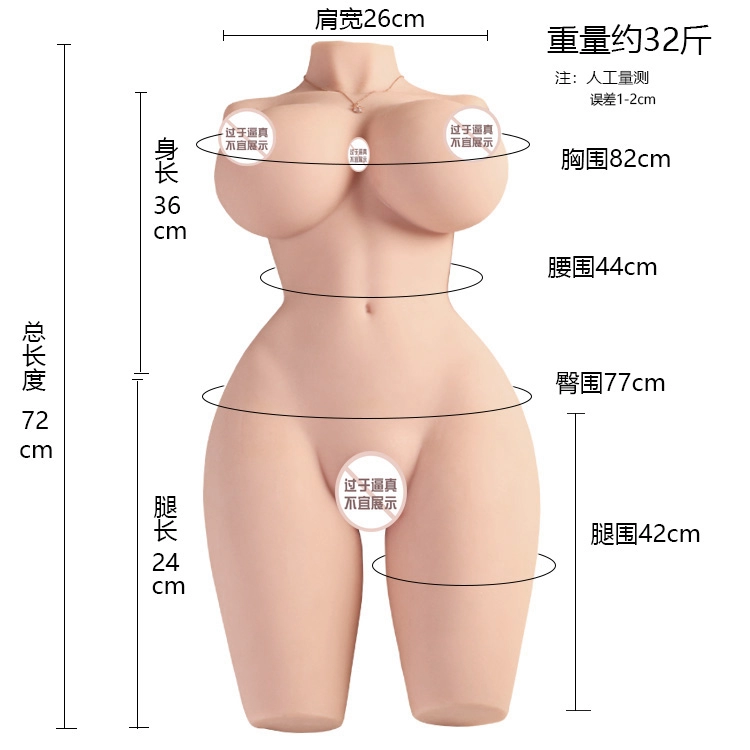
The fix is specification discipline: publish both total and insertable measurements, state the diameter at the widest point, and list the actual poured weight rather than an estimate.
The Four Dimensions That Matter
| Dimension | How It Is Measured | Why It Matters |
|---|---|---|
| Total length | Tip to base, following the body curve | Packaging size and shelf presentation |
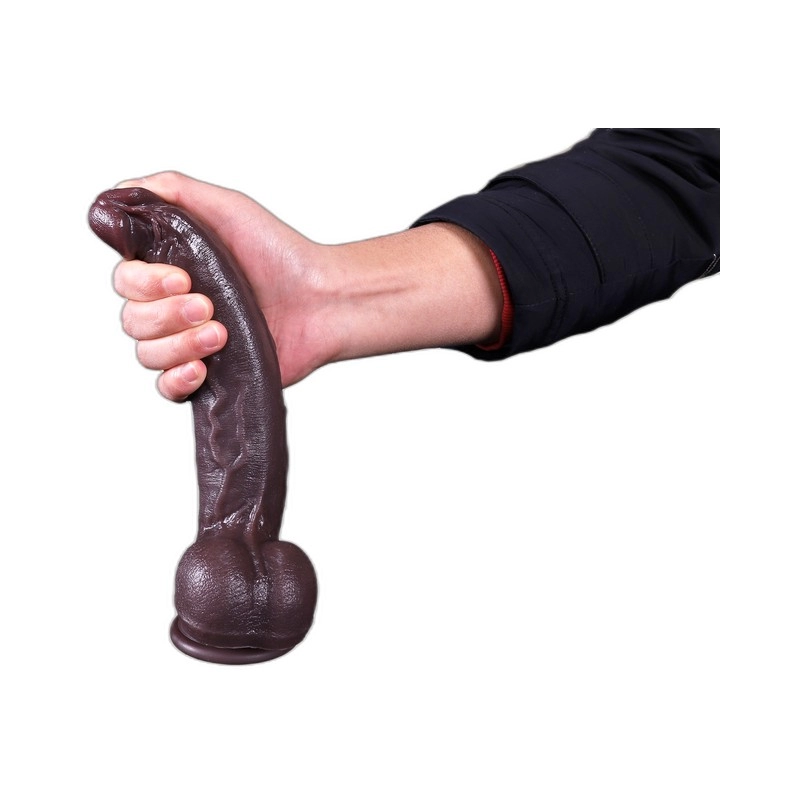
| Insertable length | Tip to the start of the base or suction cup | The number buyers actually experience |
| Diameter | Widest point, measured with a flexible tape | Comfort expectation and core size selection |
| Poured weight | Finished product, no packaging | Freight cost, stability and perceived quality |
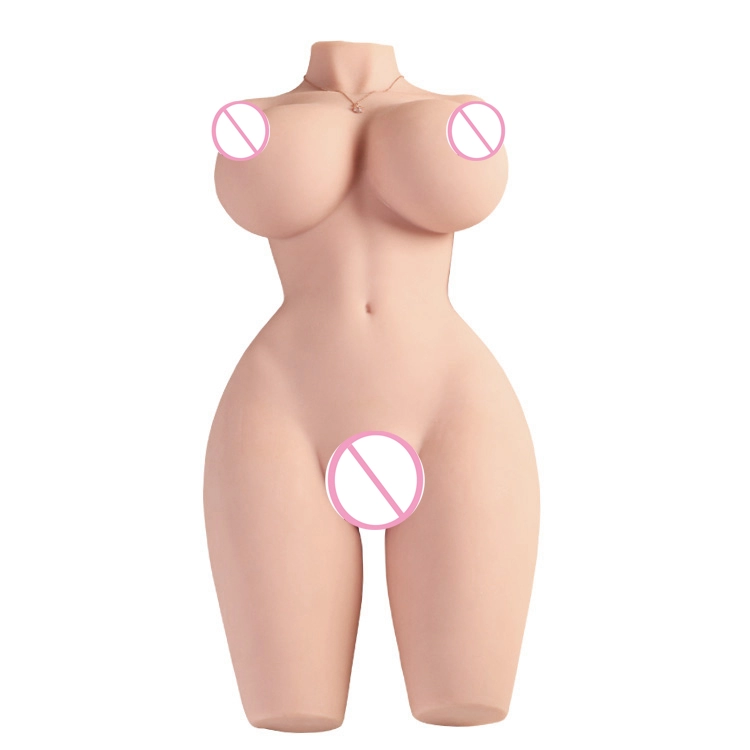
Weight deserves more attention than it usually receives. In our production runs, models range from roughly 190 g for a compact insertable item up to 14.7 kg (32.5 lb) for full-scale torso products. That span changes your freight bracket, your packaging specification and your warehouse handling process. A 690 g model and a 14.7 kg model are not variations of the same SKU — they are different operational categories.
How to Read a Factory Specification Sheet
- Confirm the measurement method. Ask whether length was taken along the body or in a straight line; the difference on a curved model can exceed 2 cm.
- Check where insertable length starts. Base thickness and suction-cup height are excluded, and this must be stated.
- Distinguish nominal from finished weight. Silicone is poured, so finished weight varies by a few percent between batches. Request the tolerance.
- Verify against a physical sample. Measure the sample yourself before approving the listing copy. Never publish dimensions from a CAD file.
Matching Size Bands to Market Segment
Size preference correlates strongly with product positioning and channel:
- Entry / trial segment: compact insertable models, 190 g to 500 g. Low freight cost, low buyer commitment, high trial conversion.
- Core retail segment: mid-sized realistic models, 500 g to 1.5 kg. The volume driver for most catalogs.
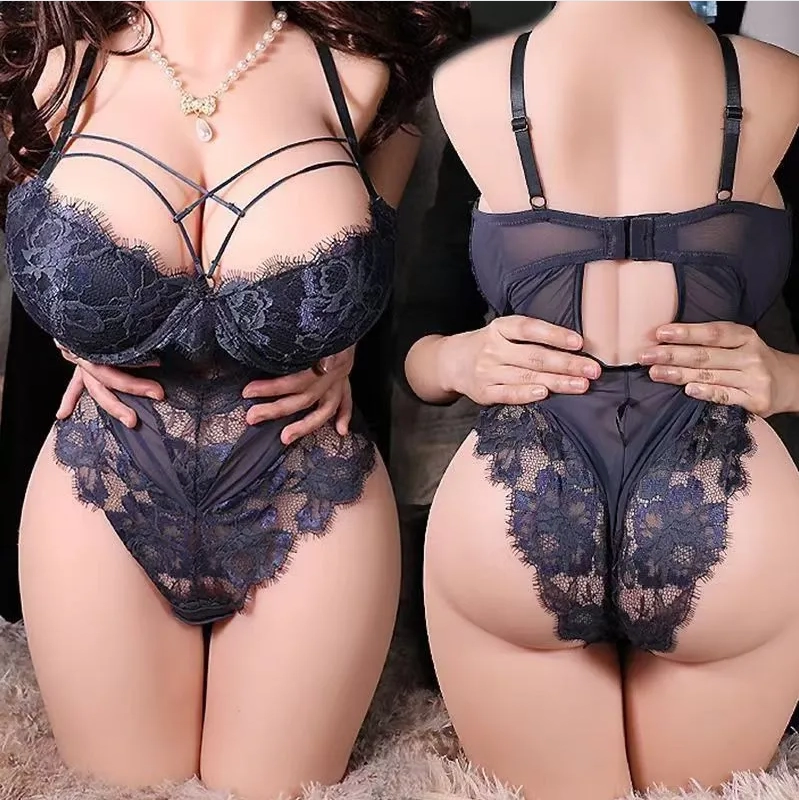
- Premium / collector segment: full-scale torso and weighted models, 2 kg to 15 kg. Higher unit price, higher perceived realism, and a materially different shipping and packaging specification.
A balanced catalog typically covers at least two of these bands, because a buyer who enters through a compact trial product is the natural audience for a premium model later.
FAQ
What is the difference between total length and insertable length?
Total length measures the whole product tip to base. Insertable length excludes the base and any suction-cup section, and is the measurement that reflects actual use. Always publish both.
How accurate are factory weight figures?
Silicone is poured rather than machined, so finished weight varies slightly between batches — typically within a few percent. Ask for the stated tolerance and confirm with a physical sample.
Do heavier models cost more to ship?
Yes, and they may also change your freight bracket and packaging requirement. Weight should be treated as a logistics specification, not a product footnote.
Can dimensions be adjusted without new tooling?
Often yes — mold filling volume and post-processing can shift final dimensions within a moderate range. Significant size changes usually require either a new mold or a scaled variant.
Next Step
Send us your target size band, market and retail price point, and we will map it against our existing tooling to identify ready-to-produce models and any that require adaptation. Request a specification sheet and physical sample before you publish dimensions.
About the author: Dongguan Shuohuo Trading Co., Ltd. is a silicone adult products manufacturer established in 2020, supplying medical-grade silicone toys, strict QC and discreet packaging to global wholesale and OEM buyers.